These days, it’s super easy to get a design printed onto a product and shipped directly to a customer after they place an order online. It’s feasible to build a print-on-demand store in full within a few hours, so long as you have some cool designs to toss on some t-shirts, mugs, hats, and a never-ending list of other potential products. While some businesses have generated an entire product line around a print-on-demand (POD) manufacturing process, you can also use print-on-demand services to create swag or free gifts with purchase of your regular product inventory. It’s a great way to create a community around your brand, with a low cost model that makes it easy to integrate. In this article, we’ll review how print-on-demand works, some examples of successful businesses that use it, the advantages and disadvantages of the technology and set up, as well as the creative ways you can incorporate it into your existing DTC business.
Print-on-demand is a business model where products are created at the time the order is made. For example, if an order for a T-shirt is placed on the website, an order is placed with the print-on-demand manufacturer (usually automatically) to actually produce that specific piece. On an Ecommerce website hosting tool like Shopify, you can directly integrate a print-on-demand app, such as Printify or Printful to seamlessly add these custom products to your website. These apps allow you to generate high-quality mockups for products that you can display on your site, too, taking the burden of product photography out of the equation. This means you can also display hundreds of products on your website without taking up any upfront investments or valuable storage space in your warehouse. Once the order arrives at the manufacturer, they handle production, packaging, and shipping while the seller earns profit from each sale. At the time of set-up, you determine exactly how much profit you will make on the sale of each product. Print-on-demand has become very popular due to its convenience, affordability, and vast flexibility in the types of products you can create and sell very quickly!

Who’s the hardest to buy for? Dads. What’s the easiest way to make him laugh and buy him something he probably wouldn’t buy for himself? Well, a fine T-shirt with a cheeky little saying, of course! Classic Dad makes shirts with sayings like “Thermostat Police” and “Grillin’, Chillin’, & Refillin’” as a couple classic examples of Dad-approved perfection. By choosing a very tight niche, Classic Dad can make the most of their advertising budget by targeting the appropriate buyers. By making this operation print-on-demand, Classic Dad doesn’t have to worry about their top-selling product going out-of-stock right before Father’s Day (which is likely Classic Dad’s Super Bowl). They can take all the orders, provide accurate production time to the customer, and allow the manufacturer to deliver on their end of the bargain without a lot of additional cost.
What about a Classic Dog Dad? Crown & Paw specializes in creating custom pet portraits in a Renaissance style, which is both adorable and hilarious. The website allows the customer to do a lot of heavy lifting by choosing the portrait type, uploading the image, and approving final edits of their custom portrait. This business experienced some explosive growth, and had minimal overhead costs to worry about while pulling successful sales numbers through mastery of Facebook marketing.
I’ve mentioned this a few times, but the lack of overhead costs when it comes to print-on-demand stores is a gigantic advantage. Running businesses are expensive, especially when you have to toss commercial rent into the mix. The print-on-demand model allows flexibility in several other ways, including:

It’s not all perfection, there are some slight disadvantages to the print-on-demand model, as well as some things to simply be aware of:
Now that you know the ins-and-outs of print-on-demand, let’s cover some ways you can use it as an enhancement to your existing business, marketing, and brand strategy. Some ways you can use print-on-demand could be:
In conclusion, print-on-demand offers an incredibly flexible, scalable and affordable method to build an ecommerce business or supplement an existing one. From branding opportunities to wider product ranges, customization options, and global reach, the advantages of print-on-demand are copious. With a little bit of creativity, a solid understanding of your market, and ability to leverage the powerful tools available, you can effectively differentiate your brand and thrive in this market. Whether you’re a seasoned pro or a start-up, print-on-demand allows you to stay agile and responsive to market demands while providing a low-risk way to engage with customers, reward loyalty, and expand the reach of your brand. So, don’t be afraid to get started; there’s very low risk and high potential reward!
These days, it’s super easy to get a design printed onto a product and shipped directly to a customer after they place an order online. It’s feasible to build a print-on-demand store in full within a few hours, so long as you have some cool designs to toss on some t-shirts, mugs, hats, and a never-ending list of other potential products. While some businesses have generated an entire product line around a print-on-demand (POD) manufacturing process, you can also use print-on-demand services to create swag or free gifts with purchase of your regular product inventory. It’s a great way to create a community around your brand, with a low cost model that makes it easy to integrate. In this article, we’ll review how print-on-demand works, some examples of successful businesses that use it, the advantages and disadvantages of the technology and set up, as well as the creative ways you can incorporate it into your existing DTC business.
Print-on-demand is a business model where products are created at the time the order is made. For example, if an order for a T-shirt is placed on the website, an order is placed with the print-on-demand manufacturer (usually automatically) to actually produce that specific piece. On an Ecommerce website hosting tool like Shopify, you can directly integrate a print-on-demand app, such as Printify or Printful to seamlessly add these custom products to your website. These apps allow you to generate high-quality mockups for products that you can display on your site, too, taking the burden of product photography out of the equation. This means you can also display hundreds of products on your website without taking up any upfront investments or valuable storage space in your warehouse. Once the order arrives at the manufacturer, they handle production, packaging, and shipping while the seller earns profit from each sale. At the time of set-up, you determine exactly how much profit you will make on the sale of each product. Print-on-demand has become very popular due to its convenience, affordability, and vast flexibility in the types of products you can create and sell very quickly!
Who’s the hardest to buy for? Dads. What’s the easiest way to make him laugh and buy him something he probably wouldn’t buy for himself? Well, a fine T-shirt with a cheeky little saying, of course! Classic Dad makes shirts with sayings like “Thermostat Police” and “Grillin’, Chillin’, & Refillin’” as a couple classic examples of Dad-approved perfection. By choosing a very tight niche, Classic Dad can make the most of their advertising budget by targeting the appropriate buyers. By making this operation print-on-demand, Classic Dad doesn’t have to worry about their top-selling product going out-of-stock right before Father’s Day (which is likely Classic Dad’s Super Bowl). They can take all the orders, provide accurate production time to the customer, and allow the manufacturer to deliver on their end of the bargain without a lot of additional cost.
What about a Classic Dog Dad? Crown & Paw specializes in creating custom pet portraits in a Renaissance style, which is both adorable and hilarious. The website allows the customer to do a lot of heavy lifting by choosing the portrait type, uploading the image, and approving final edits of their custom portrait. This business experienced some explosive growth, and had minimal overhead costs to worry about while pulling successful sales numbers through mastery of Facebook marketing.
I’ve mentioned this a few times, but the lack of overhead costs when it comes to print-on-demand stores is a gigantic advantage. Running businesses are expensive, especially when you have to toss commercial rent into the mix. The print-on-demand model allows flexibility in several other ways, including:
It’s not all perfection, there are some slight disadvantages to the print-on-demand model, as well as some things to simply be aware of:
Now that you know the ins-and-outs of print-on-demand, let’s cover some ways you can use it as an enhancement to your existing business, marketing, and brand strategy. Some ways you can use print-on-demand could be:
In conclusion, print-on-demand offers an incredibly flexible, scalable and affordable method to build an ecommerce business or supplement an existing one. From branding opportunities to wider product ranges, customization options, and global reach, the advantages of print-on-demand are copious. With a little bit of creativity, a solid understanding of your market, and ability to leverage the powerful tools available, you can effectively differentiate your brand and thrive in this market. Whether you’re a seasoned pro or a start-up, print-on-demand allows you to stay agile and responsive to market demands while providing a low-risk way to engage with customers, reward loyalty, and expand the reach of your brand. So, don’t be afraid to get started; there’s very low risk and high potential reward!

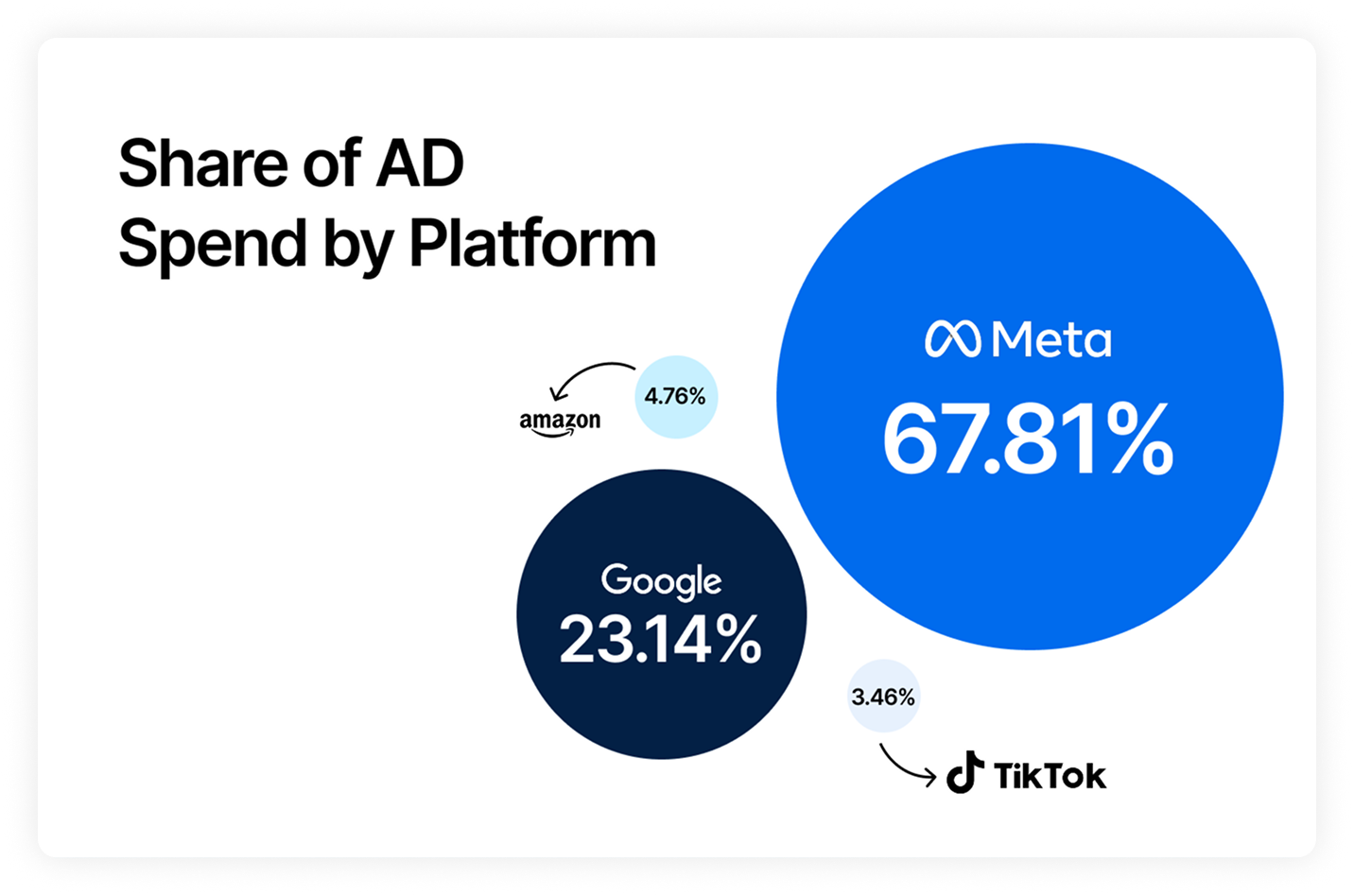
Body Copy: The following benchmarks compare advertising metrics from April 1-17 to the previous period. Considering President Trump first unveiled his tariffs on April 2, the timing corresponds with potential changes in advertising behavior among ecommerce brands (though it isn’t necessarily correlated).



.webp)

.webp)


.png)