More confidence means more, well, everything. It’s your catalyst for growth in 2026 and it all starts with the complete intelligence platform for ecommerce.
The start of a new year brings familiar tension for ecommerce leaders: the pressure to start making a dent in those ambitious goals you set last quarter, all while navigating shifting consumer behavior and an increasingly complex digital ecosystem.
The cure to ease those “new year, new growth” worries — as we’ve learned from working with more than 50,000 brands — is confidence. Having clear, accurate data that helps you make decisions quickly and move forward without second-guessing.
The features we’re launching this month are built to further eliminate the data gaps, operational friction, and uncertainty that slow you down. Here’s what you can do with what’s new:
See the full picture
These features build on your ability to easily see what’s happening across your business, consolidating revenue and performance data in one centralized view.
External Revenue Import
Your business doesn’t just make money online, and now your dashboards in Triple Whale better report on that reality.
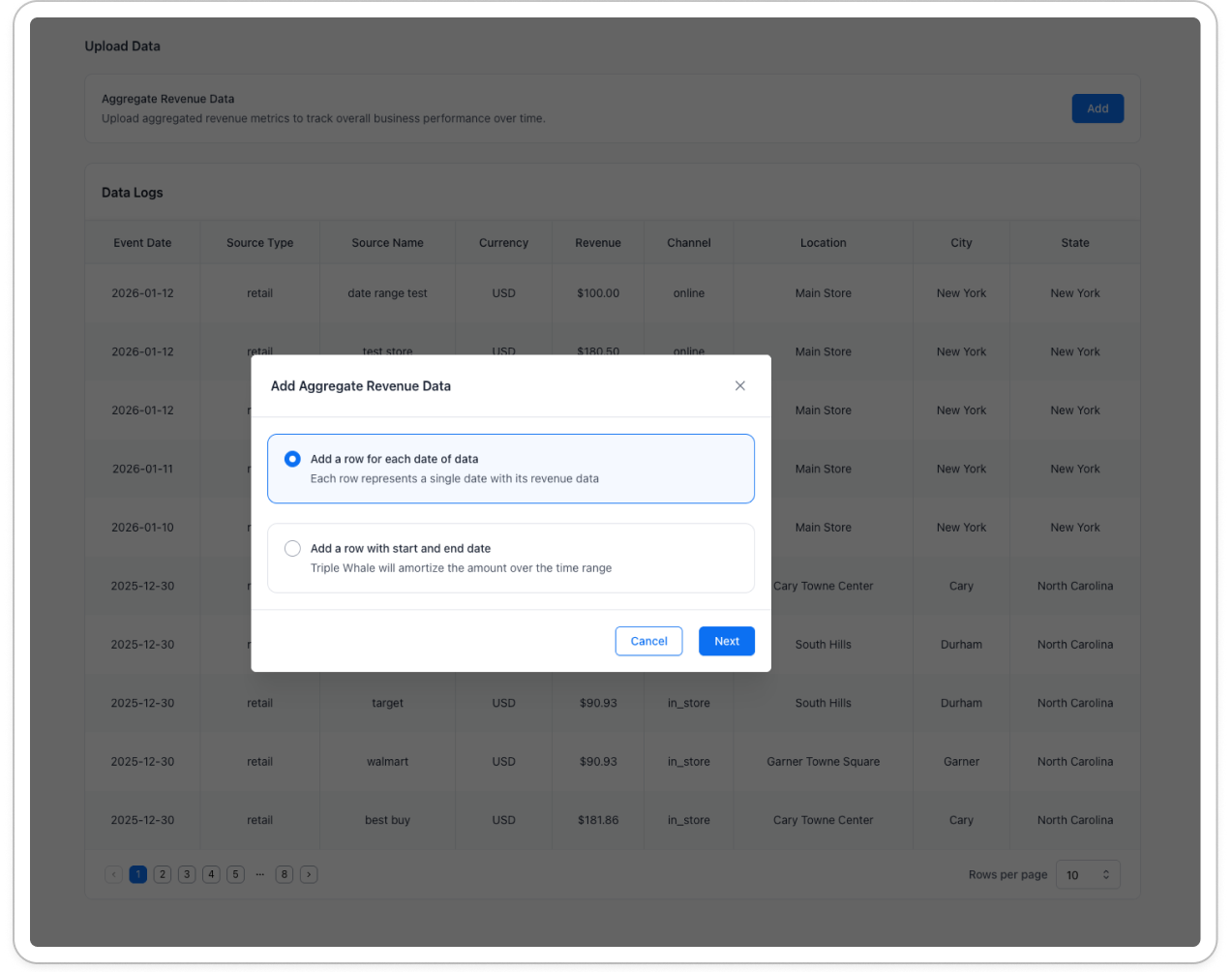
With our new external revenue import, you can upload aggregate, non-order revenue data such as retail, wholesale, marketplace, or offline sales via CSV and have it modeled consistently inside our platform.
This provides a more complete, blended view of performance across every sales channel, ensuring the analytics you’re using for reporting reflect how your business actually operates.
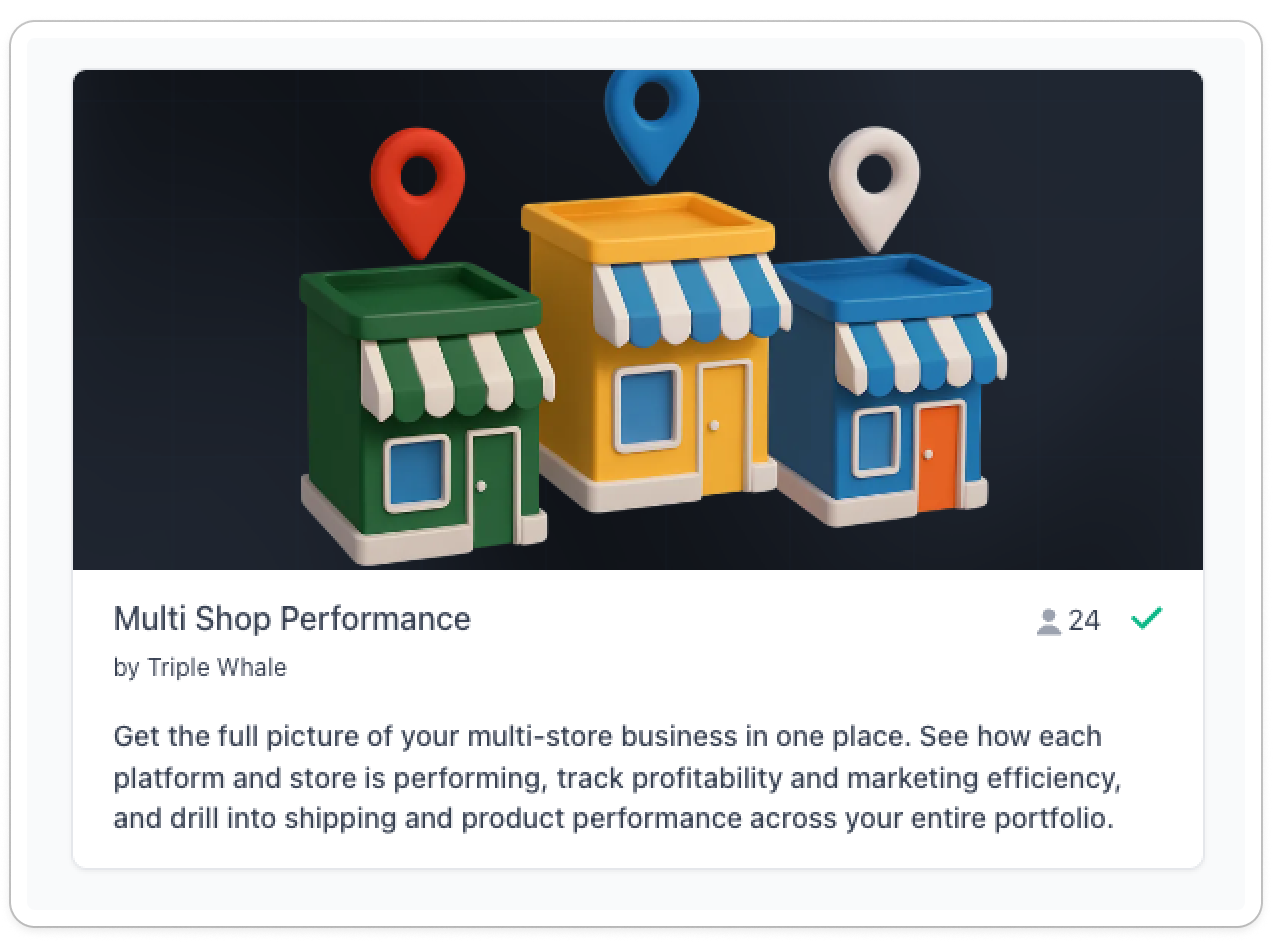
Managing multiple shops-or selling across multiple platforms adds complexity fast. But the new Multi-Shop Dashboard uncomplicates those fragmented insights, by giving you a clear, single view of how your entire portfolio is performing.
Compare results across platforms and stores, track profitability and marketing efficiency, and drill into product & shipping performance without jumping between systems. This unified view allows you to quickly spot what’s working and identify underperforming areas, so you can make smarter decisions across your business.
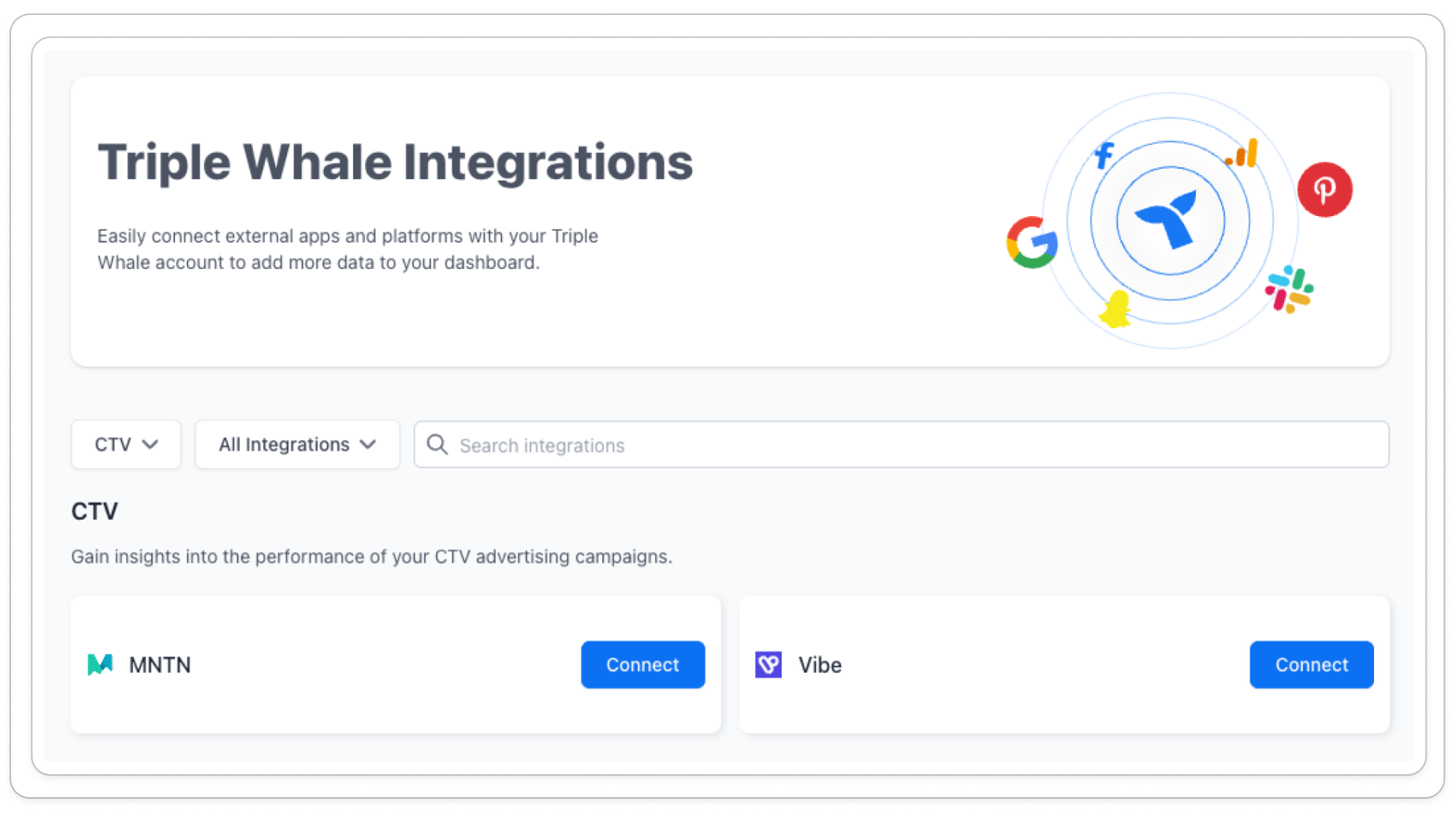
10,000+ marketers use Vibe.co to launch measurable streaming TV campaigns that drive incremental ROAS. Our new native integration brings your connected TV (CTV) advertising data directly into Triple Whale, allowing you to track your streaming TV ad campaigns alongside all your other marketing channels — for a complete picture of your customer journey from first impression to final purchase.
With key metrics like ROAS, impressions, conversions, and video views all in one place, you can quickly make data-driven decisions about your streaming advertising strategy.
The below features allow you to understand your data better than ever — designed with accuracy and transparency — giving you the ability to act with certainty.
Build stronger MMM models with cleaner categories and smarter inclusions
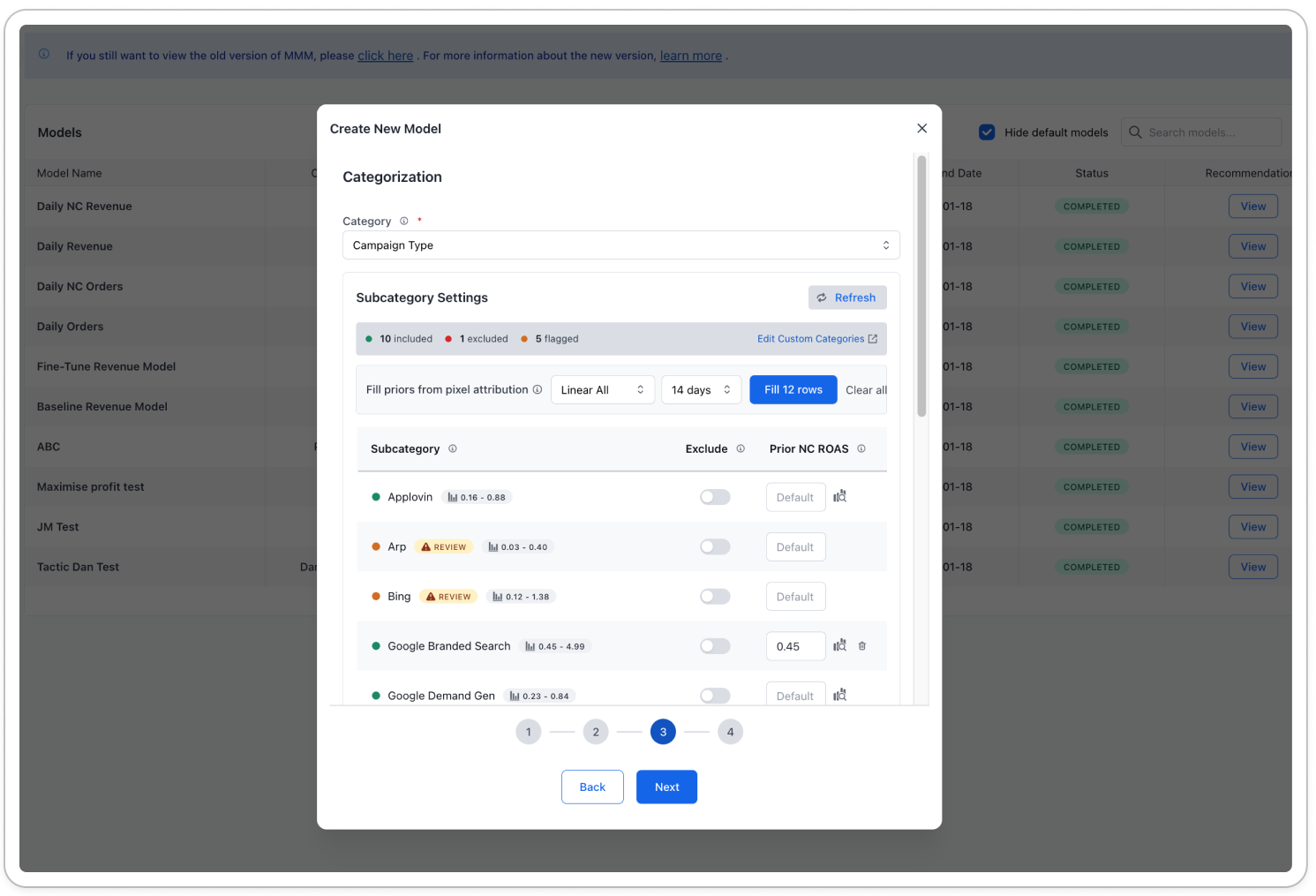
MMM setup is now more flexible and easier to control. Assign a ‘campaign’ or ‘channel type’ to Custom Categories (email, SMS, or push) so your inputs stay clean. Plus, in model creation, you’ll now see clear recommendations for which categories are strong enough to include (based on spend and coverage) and which should be excluded.
MMM models are more confident and easier to trust: cleaner inputs, fewer “insignificant” categories, and a much smoother path from setup to insights, without trial-and-error.
Event Match Quality Score Benchmarking in Sonar Optimize
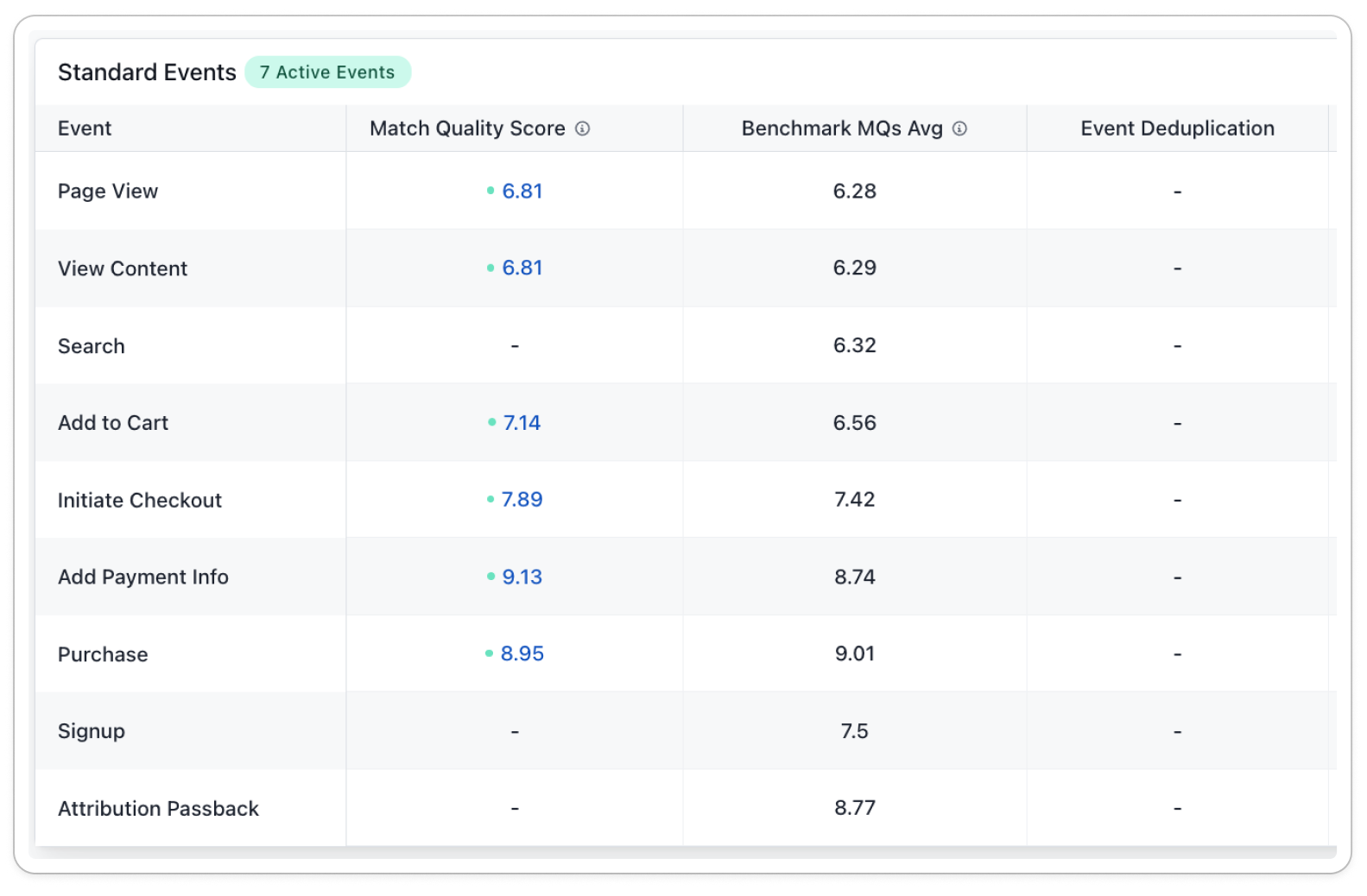
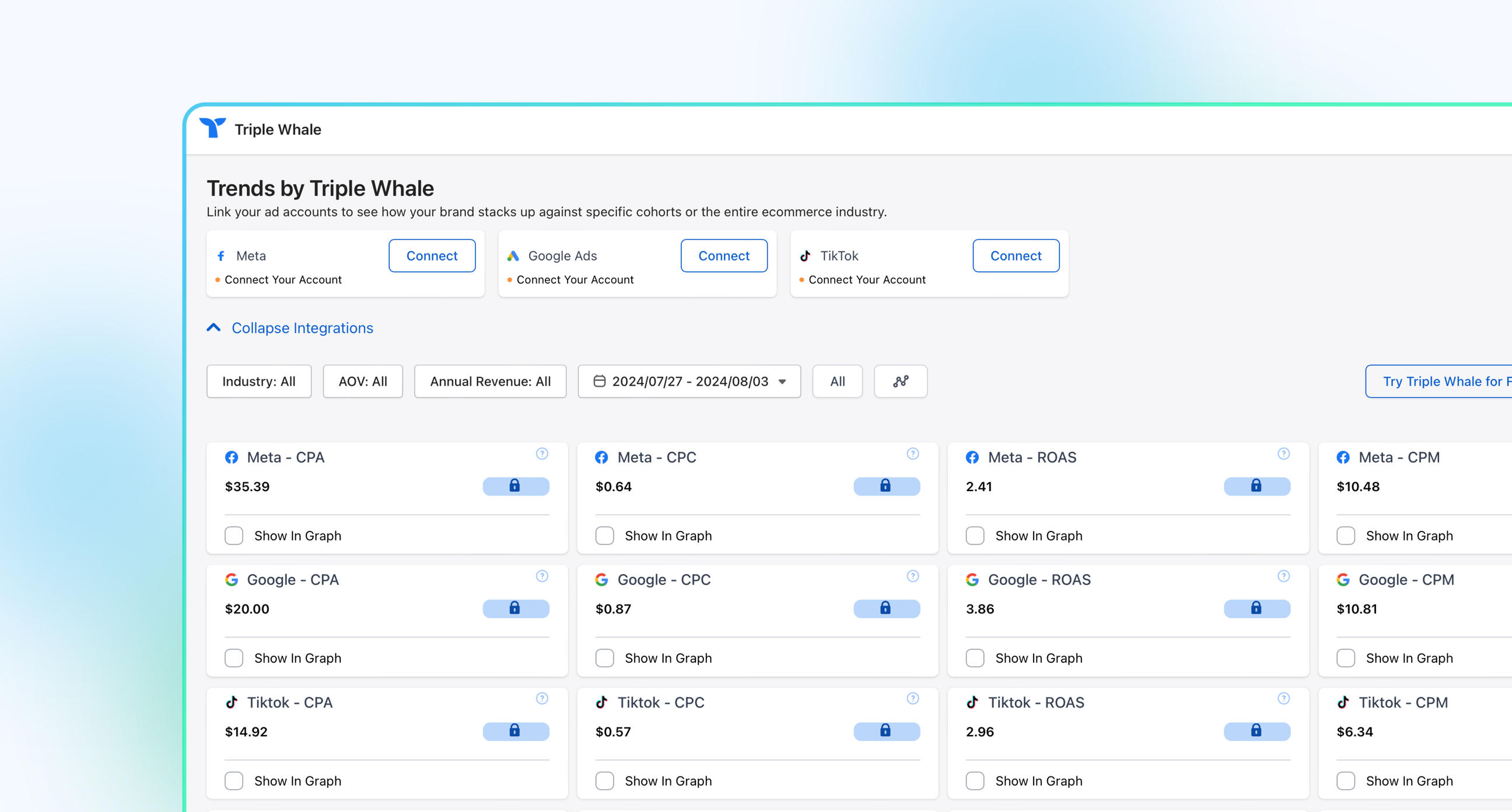
See how your Meta Event Match Quality (EMQ) scores compare to other brands, both within Triple Whale and across your industry.
Event Match Quality is one of those invisible levers that decides how well Meta can match, attribute, and optimize your ads. Benchmarks help you understand where you stand, where you’re underperforming, and where you can improve signal quality.
The following features help you grow — revenue and profitability — while keeping operations streamlined, so you can expand without unnecessary complexity.
Sync audience segments with Pinterest
Work with more of your real customers (and close those “who even are these people?” gaps) with Segment Syncing in Triple Whale, now available for Pinterest.
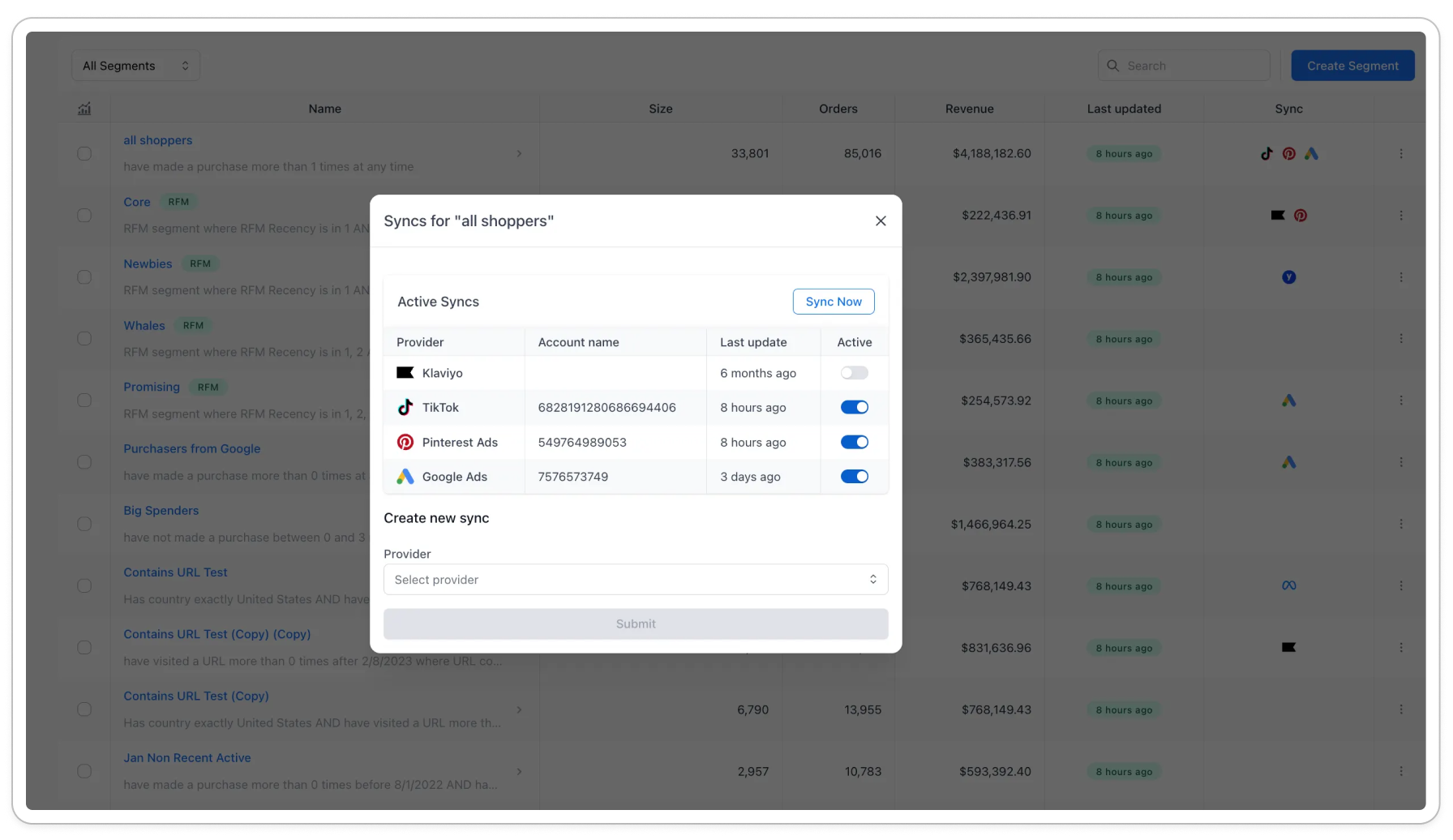
Sync any saved Triple Whale Customer Segment directly into Pinterest (Customer List). Powered by Triple Pixel—which captures up to 40% more users than standard tracking—Segment Syncing is built for teams who want more precise targeting, cleaner exclusions, and better seed audiences without duct-taping spreadsheets to ad platforms.
Customer segments are also available to sync with Tiktok, Meta, Klaviyo, and Yotpo.
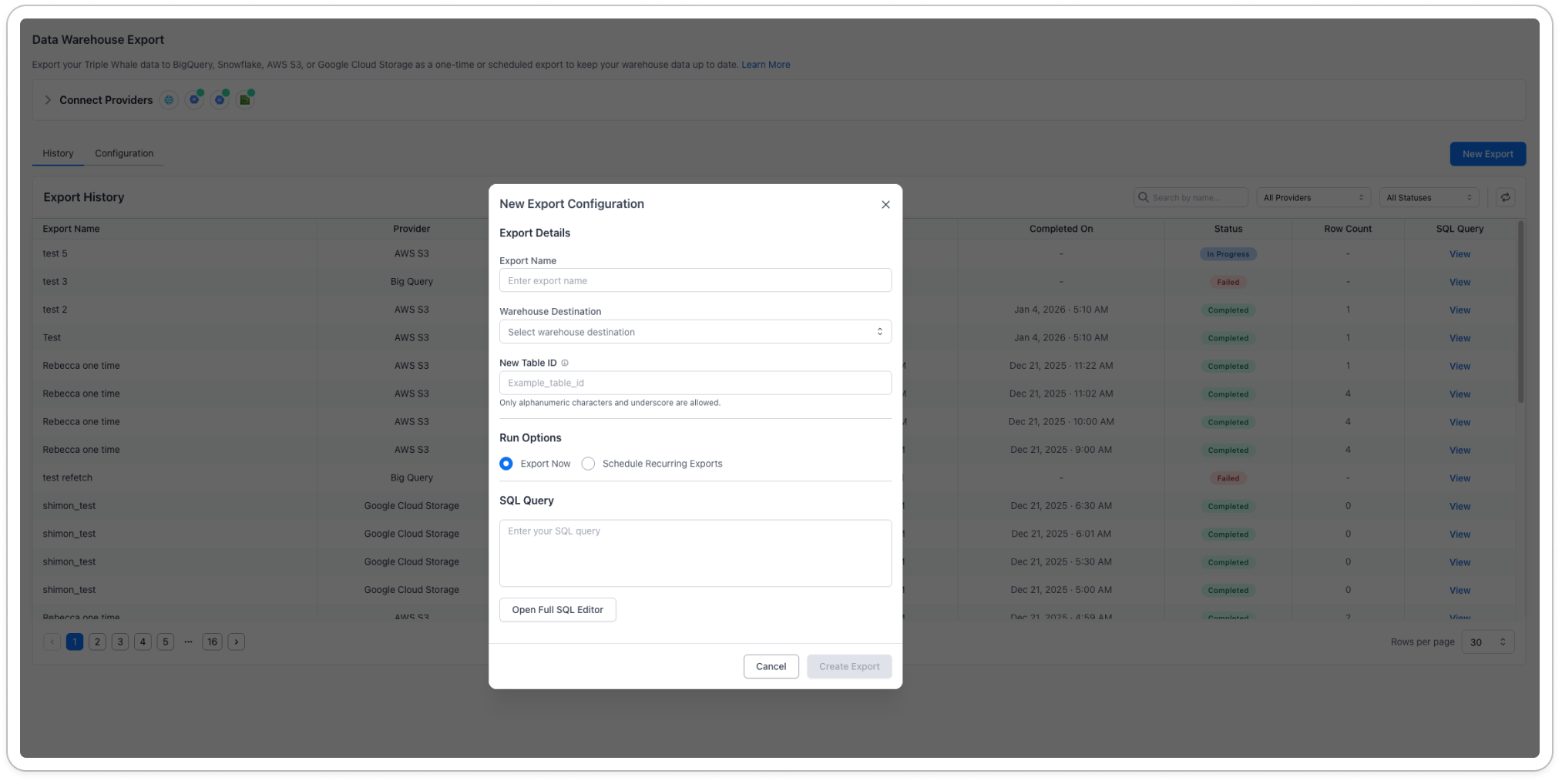
Getting your data out of Triple Whale is now faster and fully self-serve. You can configure exports to BigQuery, Snowflake, AWS S3, and Google Cloud Storage and monitor all exports from a single, dedicated in-app page.
This updated setup-flow gives you faster time-to-value and clearer visibility into export health. It’s especially powerful for teams managing multiple exports and who want to troubleshoot issues over time, as all exports are centralized and simple to oversee.
Use these features to surface hidden patterns and untapped opportunities in your data, and reveal insights that help drive meaningful growth.
AI Visibility
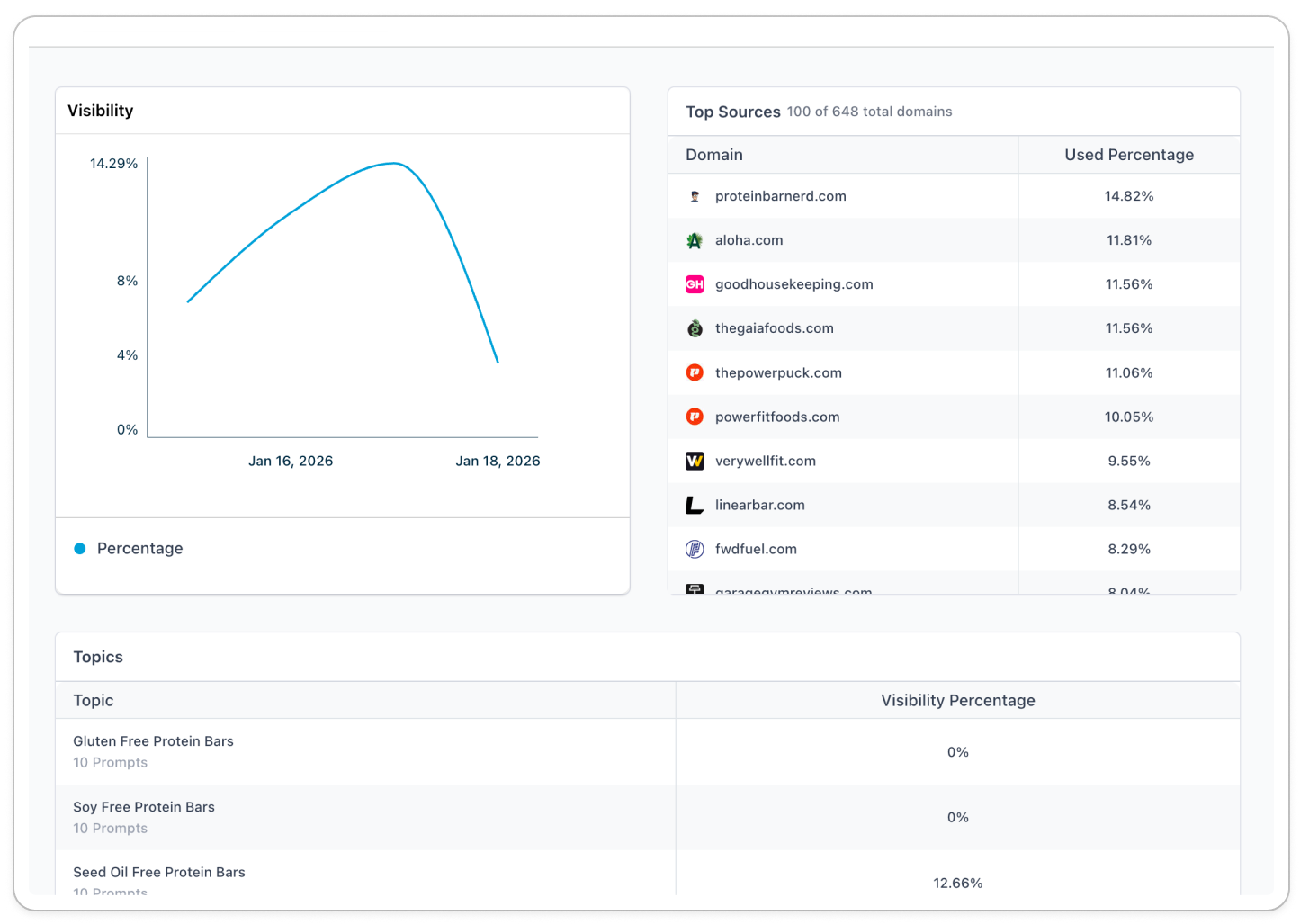
More and more people are turning to LLMs like ChatGPT, Claude, and Perplexity to kick off their product discovery journey. This change in consumer research behavior is causing a scramble among brands as they try to answer the question, “am I appearing in AI searches?”
Now, with Triple Whale’s AI Visibility tool, you don’t have to guess. With the only free AI Visibility tool built for ecommerce, you gain accurate insights into how often your brand is mentioned across all prompt responses within a topic.
Easily see which sources LMMs reference most frequently and update your content accordingly to build credibility and ensure you’re appearing for queries relevant to your product and industry.
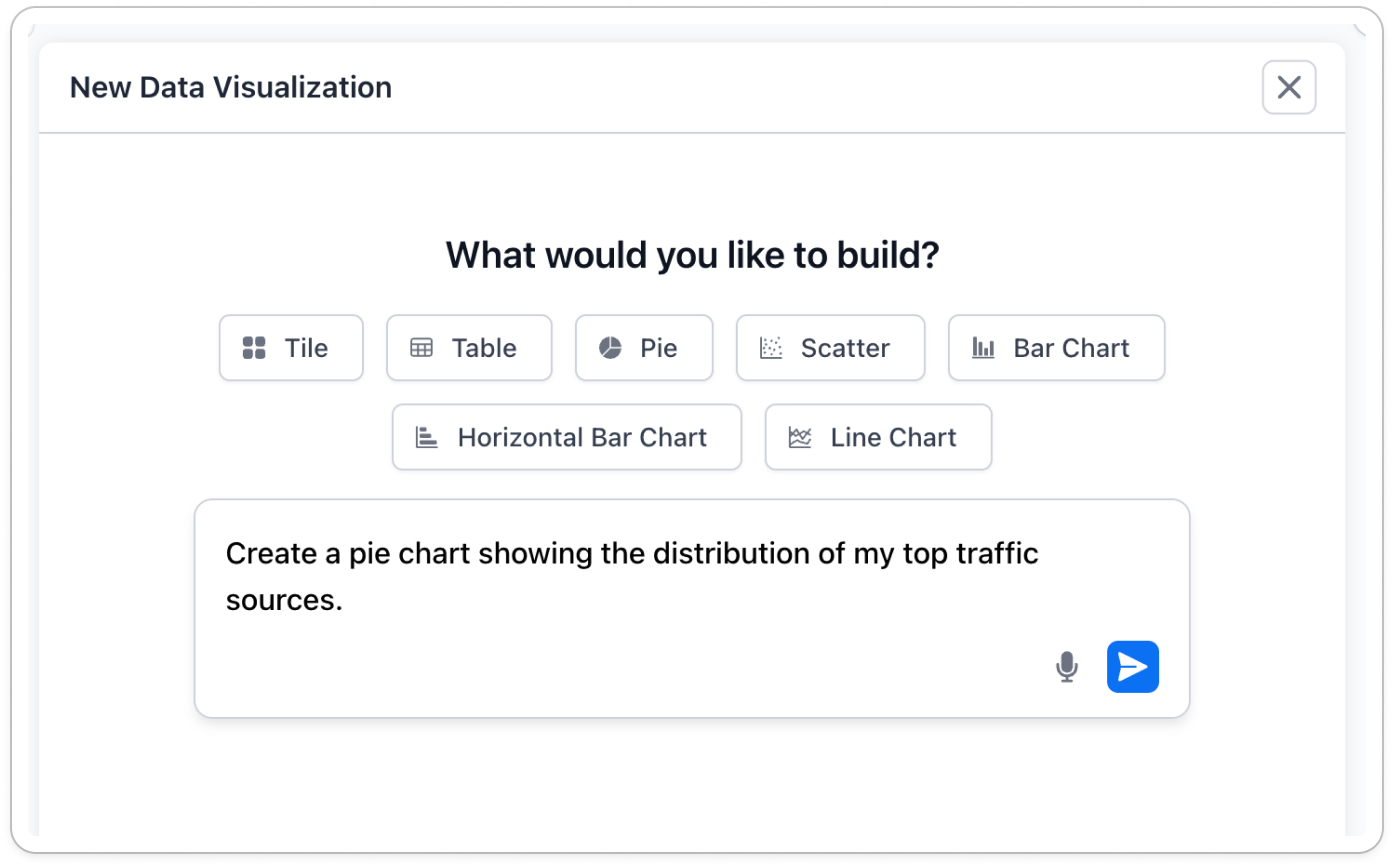
Building and customizing dashboards just got a whole lot easier. With Moby you can create entirely new dashboards — or update sections of existing ones — simply by starting a chat.
There’s no complex setup, no technical hurdles. It’s designed for marketers of all functions who want fast, flexible access to the metrics that matter most to them. Explore new views of your data and uncover insights — so you can iterate as quickly as your business is evolving. What are you waiting for?
These features help you scale your best strategies, so what works once can work seamlessly across your entire organization.
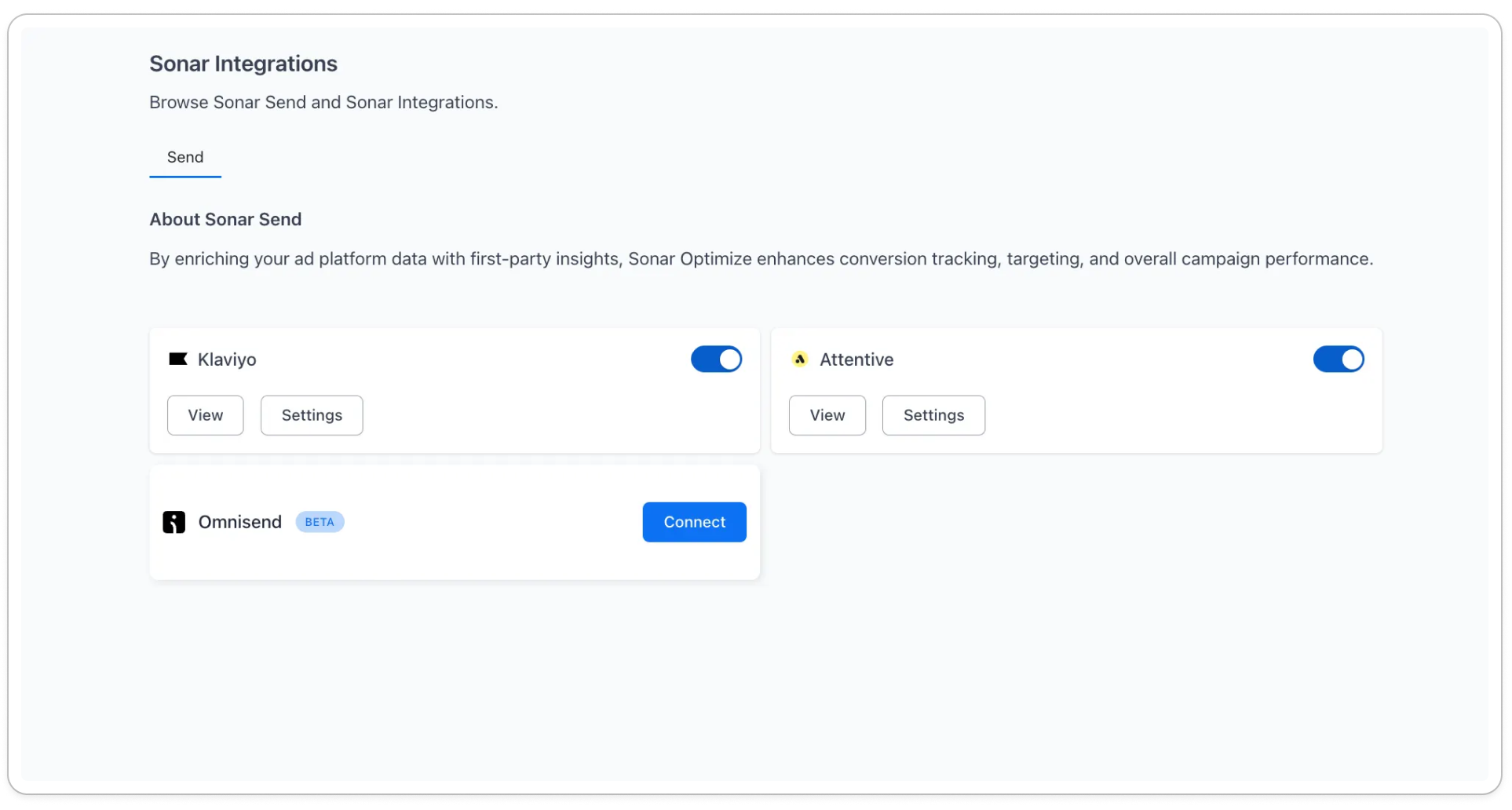
Enrich your data with Sonar Send for Attentive
Same Sonar Send power, more places to use it. Sonar Send now delivers Triple Whale’s first-party data enrichment into Attentive, so your Email/SMS automations can respond to even more, real shopper behavior.
Sonar Send events are sent server-side, meaning they’re less vulnerable to blockers and tracking limitations. The result? More on-site activity gets matched to known profiles, more flows fire exactly when they should, and you can unlock up to 15% incremental revenue that would’ve otherwise slipped through the cracks. On top of that, customers with Sonar Send see a 10x ROI on Triple Whale. 🤯
Let growth become intentional. Let creative risks become calculated bets. And quit allowing profitability to be a mystery you solve in retrospect. With Triple Whale, and the many new features to come throughout 2026, it’s all possible.
More confidence means more, well, everything. It’s your catalyst for growth in 2026 and it all starts with the complete intelligence platform for ecommerce.
The start of a new year brings familiar tension for ecommerce leaders: the pressure to start making a dent in those ambitious goals you set last quarter, all while navigating shifting consumer behavior and an increasingly complex digital ecosystem.
The cure to ease those “new year, new growth” worries — as we’ve learned from working with more than 50,000 brands — is confidence. Having clear, accurate data that helps you make decisions quickly and move forward without second-guessing.
The features we’re launching this month are built to further eliminate the data gaps, operational friction, and uncertainty that slow you down. Here’s what you can do with what’s new:
See the full picture
These features build on your ability to easily see what’s happening across your business, consolidating revenue and performance data in one centralized view.
External Revenue Import
Your business doesn’t just make money online, and now your dashboards in Triple Whale better report on that reality.
With our new external revenue import, you can upload aggregate, non-order revenue data such as retail, wholesale, marketplace, or offline sales via CSV and have it modeled consistently inside our platform.
This provides a more complete, blended view of performance across every sales channel, ensuring the analytics you’re using for reporting reflect how your business actually operates.
Managing multiple shops-or selling across multiple platforms adds complexity fast. But the new Multi-Shop Dashboard uncomplicates those fragmented insights, by giving you a clear, single view of how your entire portfolio is performing.
Compare results across platforms and stores, track profitability and marketing efficiency, and drill into product & shipping performance without jumping between systems. This unified view allows you to quickly spot what’s working and identify underperforming areas, so you can make smarter decisions across your business.
10,000+ marketers use Vibe.co to launch measurable streaming TV campaigns that drive incremental ROAS. Our new native integration brings your connected TV (CTV) advertising data directly into Triple Whale, allowing you to track your streaming TV ad campaigns alongside all your other marketing channels — for a complete picture of your customer journey from first impression to final purchase.
With key metrics like ROAS, impressions, conversions, and video views all in one place, you can quickly make data-driven decisions about your streaming advertising strategy.
The below features allow you to understand your data better than ever — designed with accuracy and transparency — giving you the ability to act with certainty.
Build stronger MMM models with cleaner categories and smarter inclusions
MMM setup is now more flexible and easier to control. Assign a ‘campaign’ or ‘channel type’ to Custom Categories (email, SMS, or push) so your inputs stay clean. Plus, in model creation, you’ll now see clear recommendations for which categories are strong enough to include (based on spend and coverage) and which should be excluded.
MMM models are more confident and easier to trust: cleaner inputs, fewer “insignificant” categories, and a much smoother path from setup to insights, without trial-and-error.
Event Match Quality Score Benchmarking in Sonar Optimize
See how your Meta Event Match Quality (EMQ) scores compare to other brands, both within Triple Whale and across your industry.
Event Match Quality is one of those invisible levers that decides how well Meta can match, attribute, and optimize your ads. Benchmarks help you understand where you stand, where you’re underperforming, and where you can improve signal quality.
The following features help you grow — revenue and profitability — while keeping operations streamlined, so you can expand without unnecessary complexity.
Sync audience segments with Pinterest
Work with more of your real customers (and close those “who even are these people?” gaps) with Segment Syncing in Triple Whale, now available for Pinterest.
Sync any saved Triple Whale Customer Segment directly into Pinterest (Customer List). Powered by Triple Pixel—which captures up to 40% more users than standard tracking—Segment Syncing is built for teams who want more precise targeting, cleaner exclusions, and better seed audiences without duct-taping spreadsheets to ad platforms.
Customer segments are also available to sync with Tiktok, Meta, Klaviyo, and Yotpo.
Getting your data out of Triple Whale is now faster and fully self-serve. You can configure exports to BigQuery, Snowflake, AWS S3, and Google Cloud Storage and monitor all exports from a single, dedicated in-app page.
This updated setup-flow gives you faster time-to-value and clearer visibility into export health. It’s especially powerful for teams managing multiple exports and who want to troubleshoot issues over time, as all exports are centralized and simple to oversee.
Use these features to surface hidden patterns and untapped opportunities in your data, and reveal insights that help drive meaningful growth.
AI Visibility
More and more people are turning to LLMs like ChatGPT, Claude, and Perplexity to kick off their product discovery journey. This change in consumer research behavior is causing a scramble among brands as they try to answer the question, “am I appearing in AI searches?”
Now, with Triple Whale’s AI Visibility tool, you don’t have to guess. With the only free AI Visibility tool built for ecommerce, you gain accurate insights into how often your brand is mentioned across all prompt responses within a topic.
Easily see which sources LMMs reference most frequently and update your content accordingly to build credibility and ensure you’re appearing for queries relevant to your product and industry.
Building and customizing dashboards just got a whole lot easier. With Moby you can create entirely new dashboards — or update sections of existing ones — simply by starting a chat.
There’s no complex setup, no technical hurdles. It’s designed for marketers of all functions who want fast, flexible access to the metrics that matter most to them. Explore new views of your data and uncover insights — so you can iterate as quickly as your business is evolving. What are you waiting for?
These features help you scale your best strategies, so what works once can work seamlessly across your entire organization.
Enrich your data with Sonar Send for Attentive
Same Sonar Send power, more places to use it. Sonar Send now delivers Triple Whale’s first-party data enrichment into Attentive, so your Email/SMS automations can respond to even more, real shopper behavior.
Sonar Send events are sent server-side, meaning they’re less vulnerable to blockers and tracking limitations. The result? More on-site activity gets matched to known profiles, more flows fire exactly when they should, and you can unlock up to 15% incremental revenue that would’ve otherwise slipped through the cracks. On top of that, customers with Sonar Send see a 10x ROI on Triple Whale. 🤯
Let growth become intentional. Let creative risks become calculated bets. And quit allowing profitability to be a mystery you solve in retrospect. With Triple Whale, and the many new features to come throughout 2026, it’s all possible.
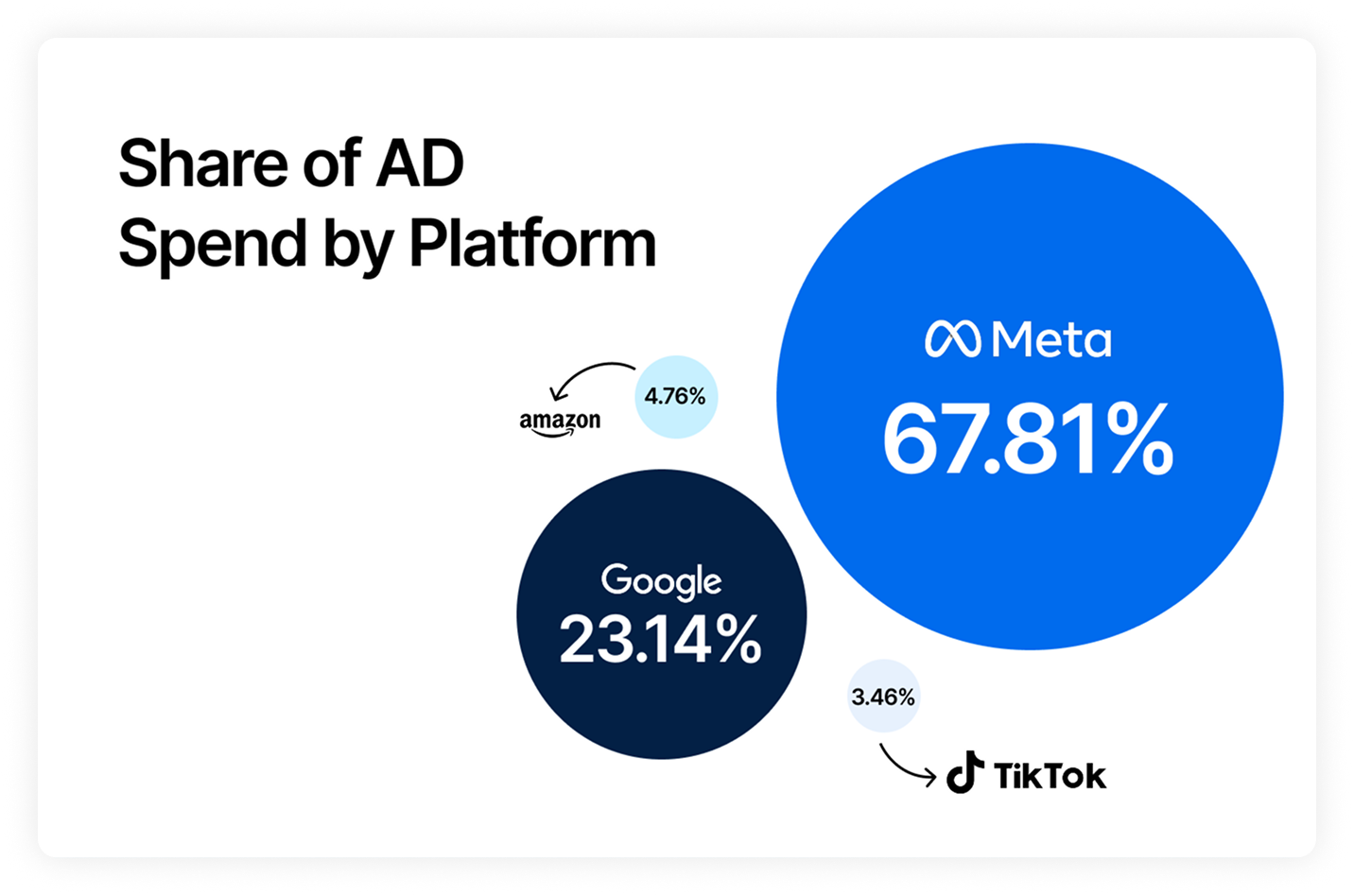
Body Copy: The following benchmarks compare advertising metrics from April 1-17 to the previous period. Considering President Trump first unveiled his tariffs on April 2, the timing corresponds with potential changes in advertising behavior among ecommerce brands (though it isn’t necessarily correlated).


 Moby AIAsk questions, analyze performance, and work with your business context.
 ActionsTake governed action across the tools that run your business.
 AutomationsSchedule recurring analysis and work that runs on your terms.
 Landing PagesCreative conversion-focused ecommerce pages with Moby.
 Creative StudioGenerate and refine creative grounded in your brand.










.webp)

.webp)
