Customer retention is your business’s ability to keep your customers over time. Any process that reengages your existing customers to get them to make another purchase is considered customer retention.
When your customer retention rate is high, that means your audience is actively engaging with your brand instead of making one-time purchases or interacting with your company for a limited time.
The importance of customer retention comes down to long-term profitability. Attracting a new customer is generally more expensive than retaining an existing one. Think of all the money, time, and energy you’ve spent strategizing your marketing, social media, and branding efforts. You’ve invested a lot to win over your customers, and you want to keep as many of them around as possible!
Keep reading to uncover customer retention strategies that work and learn from examples of brands that follow customer retention best practices.
Why is customer retention important?
Investing in customer retention marketing strategies pays dividends in the long run. Even just a 5% improvement in your customer retention rate can translate to a 25% increase in profits, per Bain & Company research.
Your recurring customers are much easier to convert than the ones you are trying to acquire, and it costs less, too. Knowing the following benefits of customer retention is the first step to creating a successful retention program.
Less expensive than acquisition: Customer acquisition costs can be 5 to 25 times more expensive than customer retention, according to the Harvard Business Review. That means improving customer retention will boost your overall return on investment.
Higher average order value and lifetime value: Retention is simpler and cheaper than customer acquisition, and returning customers typically purchase more often and spend more money with each purchase. It’s easier to upsell and cross-sell to your existing customers, because shoppers who are already fans of your products are more likely to increase the size of their orders and buy from you again. Higher customer lifetime value (CLV) and higher average order value (AOV) are both typically tied to higher profit.
Better customer loyalty: Happy customers are quick to refer others to your business. Managing customer retention ups your chances that your customers will recommend your brand to others.
It’s important to note that customer retention shouldn’t be confused with customer satisfaction. Customer retention is about the long-term relationship between your customer and your brand. Customer satisfaction is about how positive a single customer experience was.
However, customer retention isn’t always easy. Some challenges of retaining your shoppers include:
Standing out from the crowd: Your customers likely receive marketing communications from any number of brands and businesses and may even follow or engage with your competitors. Grabbing their attention in an oversaturated field isn’t easy.
Retaining customers for the long haul: Your work isn’t done after one repeat purchase. If you really want customer retention to make a difference to your bottom line, customer engagement needs to be a long-term, continuous process.
Striking the right balance of engagement: Consumers may be turned off by hearing from you too often or on too many platforms. Consistently analyzing and tweaking your methods of customer retention can help you land in the sweet spot.
Providing superior customer service: More than half of shoppers will abandon your brand for a competitor after just a single negative experience with your customer service team, according to Zendesk data. But the resources and training required to get your customer service team where it needs to be can be extensive.
How to measure customer retention
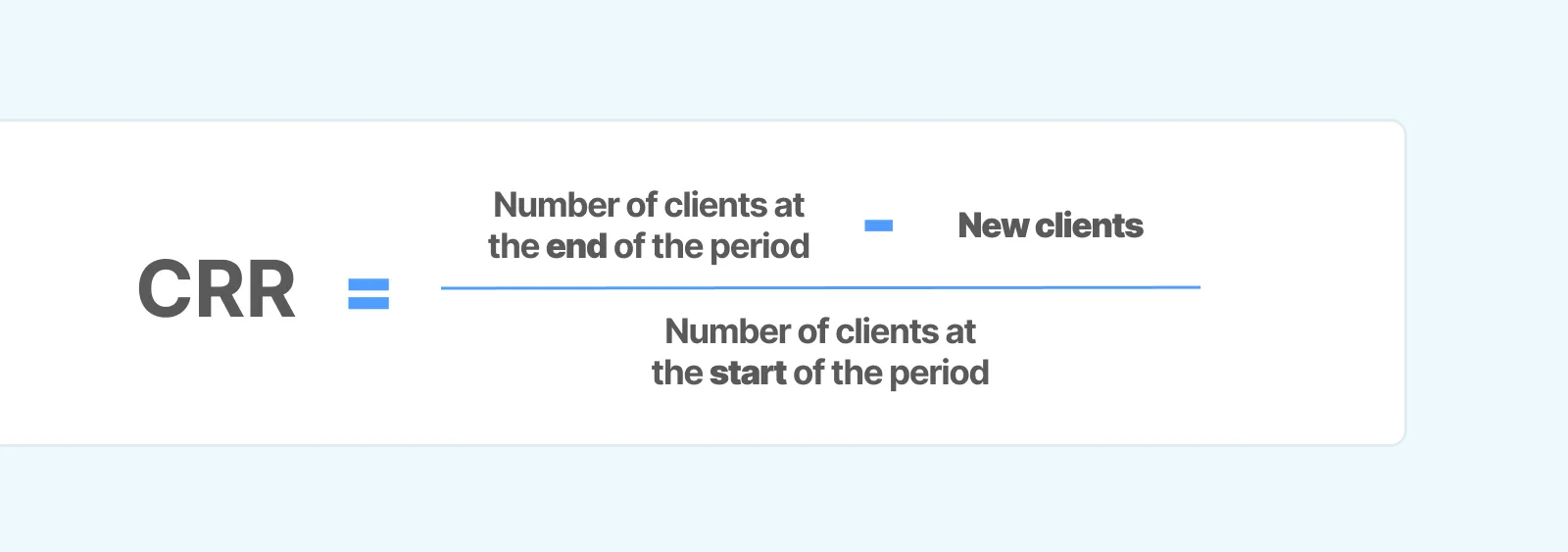
To calculate your customer retention rate, you’ll assess how many customers are still buying from you over a given period of time. Then, you multiply that number by 100 to get a percentage. The higher this percentage is, the more you’re retaining your customers. In other words, an 80% retention rate means 80% of your customers are returning customers.
The formula for calculating customer retention rate is:
(Total number of customers at the end of a period of time - Number of new customers during that period) ÷ Number of customers at the beginning of the period) x 100
Or more simply:
((End - New) / Start) x 100
Once you have your customer retention rate, you should track it over time. Recording and examining customer retention analytics data will help you identify where improvements are needed and allow you to track the success of your customer retention strategies.
While any business would love to brag about 100% customer retention, a “good” CRR doesn’t have to be perfect. It also varies by industry. Here are some average CRRs by industry for context, according to Statista data:
Media companies: 84%
Professional services: 84%
Automotive and transportation: 83%
Insurance: 83%
IT services: 81%
Construction and engineering: 80%
Financial services: 78%
Telecom: 78%
Health care: 77%
Software: 77%
Banking: 75%
Consumer services: 67%
Manufacturing: 67%
Hospitality: 55%
Ecommerce: 30%
In addition to customer retention rate, other marketing metrics can provide helpful measures of how successful your strategies for customer retention are.
Customer churn rate
This percentage reveals how many customers have left your business. As with customer retention rate, you calculate churn over a determined time period. While no companies want customer churn, minimizing it is vital if you rely on customers' recurring payments.
To find your customer churn rate, use this formula:
Number of lost customers at the end of a period of time ÷ Number of total customers at the end of the period x 100
So, if you had 125 customers at the beginning of the year and 20 of them left by the end, you would divide 20 by 125 to get 0.16. Multiply that by 100, and your customer churn rate is 16%. While you want your customer retention rate to be high, you want your customer churn rate to be low.
Customer lifetime value
Customer lifetime value shows you how profitable a specific customer or segment is throughout their relationship with your brand. Calculating CLV can be complex because you can perform it at a business, customer service, or individual level.
When in doubt, however, this is the formula you want to use:
Customer value x Average customer lifespan
CLV shows up as a monetary value and reveals the amount you should expect the average customer to spend at your company throughout their lifetime. Knowing this number can provide a helpful frame of reference for making business decisions like how much to spend on customer experience improvements or how to revamp your customer acquisition strategy.
Repeat customer rate
More returning customers means shoppers were happy with their purchase and interaction with your brand. A low repeat customer rate, on the other hand, may mean there’s a problem with your store, product, or user experience.
Repeat customer rate tells you the percentage of shoppers who have made at least two purchases from your store. The formula is:
(Number of return customers ÷ Total number of customers) × 100
Purchase frequency rate
Another sign of good customer retention is frequent purchases. Your purchase frequency rate tells you how much repeat business you’re getting—a sign your customers are sticking with you.
To calculate it, use this formula:
Number of orders ÷ Number of unique customers
19 customer retention strategies
To increase customer retention, you need to have a strategic plan in place. There are many different customer retention marketing tactics that can help your business. Here are some of the best.
1. Optimize your onboarding experience
The first step to ensuring a customer returns is making their initial interaction with your brand memorable and enjoyable. A new customer should feel welcomed and valued, and the purchasing experience should be seamless and easy. How you onboard a customer sets the tone for the future of their relationship with you, and a positive experience will only open the door for future interactions. Mishandling of personal information or bad customer service can easily turn customers away.
Aim for a smooth customer onboarding experience and increase your customer retention rate by offering an educational, individualized, and personalized welcome. This can include email automation, help guides, product tutorials, and personalized content such as SMS and high-converting emails to get your customers excited about their purchases.
2. Collect and analyze first and zero-party data
Even before a first purchase, a customer provides you valuable information in the form of first-party data, such as product views, checkouts initiated, and who referred them to your site. Triple Whale tracks all of that information for you, so you can make the changes necessary to drive more conversions and improve customer retention.
As soon as a customer completes a purchase, you can foster the beginnings of a long relationship with a post-purchase survey to collect information about where the customer learned about your brand and their initial experience with your purchasing process. Providing a spot for customers to feel heard right out of the gate can help prevent negative experiences in the future and encourage repeat business.
All of the first- and zero-party data is ripe for analysis right in Triple Whale’s Pixel Page, and your business can use any one of seven attribution models to fully understand how customers experience and interact with your brand.
3. Offer a personalized experience
Who doesn't like feeling special? Create a personalized experience for your customers that resonates with their individual needs, allowing them to feel like your business cares about them, and you’ll increase the chances they make a purchase (and a repeat purchase!).
As a brand that sells exclusively online, it may initially seem difficult to create a community feel. With a lack of face-to-face interaction, you have to be creative with making customers feel welcome, valued, and seen.
The more information you have about your customers, the easier it will be to engage with them. As you learn more about their preferences, browsing experience, and engagement with your online channels, you can create personalized marketing efforts that resonate directly with your audience.
4. Segment strategically
One mistake businesses often make is marketing to everyone. When you do that, you end up reaching no one.
Instead, dive deep into customer data to learn more about who they are and what they buy. Then, employ customer segmentation to market to those customers who are more likely to make another purchase so you can improve retention.
With Triple Whale, you can use our RFM (recency, frequency, monetary value) segments, generated through our proprietary algorithm, to split customers into segments based on their purchase history.
These include:
Loyal: Customers who buy the most often from your store
Core: Highly engaged customers who have bought most recently, the most often, and have generated the most revenue
Newbies: First-time buyers on your site
Whales: Customers who have generated the most revenue for your store
Promising: Customers who return often, but do not spend a lot
Lost: Customers who have made one purchase but have not been known to return
In addition to these pre-built segments, you can generate your own using data collected throughout the customer journey in combination with zero-party data collected through customer surveys or engaging quizzes that can reveal valuable insights into customer preferences.
Once you nail down your key cohorts, you can move on to understanding who buys what and when. Triple Whale’s retention tools allow you to build dynamic audiences that automatically update based on customer activity, such as purchases or marketing interactions. This continuous tracking ensures your audience segments remain accurate and up to date in real-time.
Then, you can send personalized, targeted SMS, email, and other marketing communications based on the above or even more specific segments, such as:
Type of product purchased (for sending new product recommendations)
Specific SKU purchased (for product use how-tos)
Reason for purchase (collected via post-purchase survey, for sending holiday gifting vs. self-care style communication)
Birthday month (collected via post-purchase survey, for sending rewards or gifts)
Social engagers (for encouraging shoppers to follow your brand and/or influencer accounts)
VIPs (for sending exclusive offers)
5. Build trust
Trust is the foundation of any customer-business relationship. It's essential for your customers to feel comfortable and confident when shopping with you. Be reliable, honest, and consistent in your communications and branding. Remember not to promise shoppers something you can’t deliver. Promise only what you can uphold, and over-deliver when possible.
The downside is developing brand trust takes time. But it pays off: Invest that time in nurturing relationships with your customers, and 62% will be likely to remain loyal to your brand, according to Edelman data.
Start by being transparent about who you are and what your business does. For example, having a detailed About Us page that dives into your brand mission or vision, the founder's message, and even showcasing team members' pictures can give your customers a sense of familiarity and understanding.
6. Offer standout customer service
Most consumers believe businesses should deeply understand their expectations and needs. Quality and affordability used to be enough, but shoppers now have more choices than ever and will buy from another company if you don’t satisfy their needs.
Your customers expect service to be seamless across various channels. To meet these expectations, you have to learn what they want. Send out surveys and open your platforms to reviews so you can evaluate them and identify where you need to improve. Review how and why your customers are engaging with support, and ensure their experiences are nothing less than stellar.
Depending on what tools you use for customer support, this can either be simple or require some serious focus time. When analyzing your customer service experience, review at least the following:
Number of support tickets in relation to sales volume per month
Number of returns/exchanges per month
Number of requested refunds per month vs. actual
Average time to ticket resolution
Dollar value of upsell/cross-sell tickets per month
Customer service survey response rate
Customer service survey response data
If you can find patterns in the above data, you can unlock insights that improve the customer experience, and ultimately, customer retention.
For example, reviewing this data may reveal a particular product often arrives broken or damaged, identifying the need for an alternative packaging format for shipping. When more first-time purchasers receive an undamaged product, you’ll improve the retention of those customers.
7. Lean into loyalty
A membership or loyalty program can be key to retention. By offering a few extra perks or benefits to your customers who sign up for such a program, you’ll help them feel more committed to your brand. In a competitive space, they may be less likely to shop elsewhere and instead invest in the brand they’re already loyal to. Your goal is to make your customers want to be a part of growing your brand.
Loyalty programs can also unlock customer data, allowing you to tailor experiences and offers to your customers, which can also drive retention.
To build an effective loyalty or membership program, consider providing:
Fast and free shipping
Easy returns
A range of rewards, including free gifts, discounts, and exclusive access to products
A range of ways to earn rewards
Engagement on multiple channels to build community
If you aren’t sure what an effective loyalty, rewards, or referral program would look like for your customers, ask them! Pose a question in a post-purchase survey, ask your customers on social media, or even accept direct replies via an email campaign about what would make them sign up for such a program.
8. Foster community
Speaking of community: Unifying your customers around your products is an effective way to increase retention. A sense of belonging can build loyalty, especially when customers feel connected to the brand, its values, and their fellow shoppers.
You can create a community around your product or service by providing a platform that encourages customers to interact with each other. A social media group or forum makes for an easy place to start.
9. Request customer feedback
Your customers' opinions matter. Let them know that. Use customer feedback as a tool to better understand their pain points and preferences. Surveys, polls, product reviews, and newsletters can all help solicit feedback from shoppers regularly.
Ask questions about various stages of the customer journey, such as:
What stood out to you about our brand or products from the first day you encountered our company?
What makes our purchase experience easy or pleasant?
What makes our purchase experience difficult or unpleasant?
Is there anything unclear about our brand or products from our ads or site?
Use this feedback to improve customer retention and gain insights on how you can make your customer experience better.
10. Start a newsletter
A company newsletter is like a roadmap for customers to follow. It not only gives your audience an overview of the various products you offer, but it also provides insights into what's happening with your company and how to make the most of your offerings.
By regularly sending out informative newsletters, you can help keep customers informed on what's going on within your business while also creating a sense of community and loyalty.
11. Offer subscription services
Subscriptions help your customers know exactly what they’re getting and when. But subscriptions are also a boon for you: Your brand gets predictable and recurring revenue and a very obviously retained customer.
Offering a subscription plan helps you drive long-term relationships. A customer will only sign up for an ongoing delivery if they’re invested in the brand.
To be truly successful with the subscription model:
Consider price or shipping discounts, delivery frequencies, or volume discounts based on the needs of your customers.
Refresh the subscription content frequently to keep customers excited.
Offer exclusive content to enhance the feeling of being in a special club.
Ensure your subscription strategy involves unexpected rewards, personalized gestures, and delightful surprises.
12. Adopt a CRM
Customer relationship management (CRM) software can automate mundane tasks, track customer interactions, and identify trends in customer behavior to increase retention. By using a CRM, you can create an organized system for managing customer data in one place. This allows you to segment customer data into specific groups and increase targeted marketing campaigns.
You can also leverage a CRM to track customer satisfaction and feedback and create support tickets to ensure customer issues are resolved quickly and efficiently.
CRM software also automates repetitive tasks like emailing customers about special offers, sending thank-you messages, and informing them of new products. All these activities increase customer retention in the long run.
13. Educate your customers
Educating your customers can go a long way in improving retention because customers are more likely to remain loyal if they understand and appreciate the product they’re using.
Offer learning opportunities, such as webinars, tutorials, and product demonstrations, so you can help increase their understanding of your product or service.
If you're running an ecommerce camping store, for example, you could create a blog that shares tips and tricks on how to use the gear you sell. This helps increase customer retention by giving customers the information they need and confidence in your business to make a repeat purchase.
14. Utilize omnichannel messaging
A customer should transition smoothly between various marketing channels, such as your website and social media, and between various devices, like from their computer to their tablet or phone.
Take time to analyze how customers are engaging with your brand across multiple channels so you can adjust your strategies to enhance their experience. Doing so will boost customer satisfaction and retention.
Research your target market to map out the customer journey; this involves learning about their previous interactions, conversion history, and other factors to help you make intelligent decisions in the future. Identify which channels your customers prefer for connecting with your company and use these channels for delivering 24/7 customer support.
15. Upsell when appropriate
Upselling is a technique that companies use to encourage customers to upgrade their purchase. This boosts the overall value of that purchase, resulting in higher revenue for the business. Typically, this means convincing a customer to purchase a similar product that costs more because it offers better quality or additional features.
The key to successful upselling is to think about your customers’ goals. Your customers should feel like you’re trying to help them rather than simply make an extra buck. That’s why it tends to work best with repeat customers who already trust you.
Pro tip: If the higher-priced product costs significantly more, consider offering a free trial to give your customers the time to recognize the value in the higher-cost purchase.
16. Retarget valuable customers
Some of your customer churn rate may involve people who have left your business due to everyday situations unrelated to customer satisfaction. For example, a customer might visit your website and exit before purchasing because they got interrupted by a work responsibility, not because of anything lacking with your brand. Retargeting can bring them back to their abandoned cart.
Customer retargeting is a marketing tactic that companies use to reengage previous shoppers who haven’t returned for some time. When developing your retargeting strategy, make sure your advertising is eye-catching and includes a clear and concise call-to-action (CTA).
If you’re dealing with recent visitors, consider including special offers for items they’ve previously viewed. Putting a link into the CTA can provide your customers direct access to the product or service they’ve previously shown interest in.
17. Audit your customer journey
Clear messaging helps bring the "right" customers to your brand, i.e. those with the potential to become your most valuable, loyal shoppers. Clarity helps keep prior purchasers informed, engaged, and excited about upcoming opportunities with your brand.
It’s worth auditing your customer journey to make sure your messaging is clear, helpful, and enjoyable. This can be a bit of a tedious process, but it's worth the effort.
Dig deep into your customer journey analytics by reviewing every touchpoint a customer has with your brand. Look for statistically significant behavioral patterns among people who didn’t convert, those who did convert but have a low lifetime value, and those who did convert and have a high lifetime value.
From this process, you should be able to identify areas of optimization.
18. Conduct acquisition cohort analysis
If you can identify which marketing campaigns, objectives, or efforts result in your highest lifetime value customers, you might be able to replicate this model with other segments.
To do so, look at the customers you've acquired over a particular timeframe. Review their purchasing behavior, and map that back to the various marketing campaigns or initiatives you were running at the time. Look for statistically significant behavior patterns to identify which initiatives lead to the stickiest and happiest customers.
Triple Whale’s retention tools can help you visualize this data and compare customer behavior by monthly cohort. From your dashboard, you can then review metrics like repurchase rate and lifetime value by cohort.
19. Surprise and delight your customers
Customers who love your brand will keep coming back. It’s that simple. And “surprise and delight” is one well-known strategy to really win them over.
That said, surprise and delight can mean a variety of things—sending VIP customers direct “love”mail, offering them exclusive early access to new releases, allowing them to vote on new products in your pipeline, sending digital surprises like iPhone wallpapers, or even accepting submissions for things like product packaging. Your brand’s ability to delight your audience depends on knowing your customers well and planning surprises specifically tailored to their interests and preferences.
Examples of customer retention
Your business can learn a lot about the best customer retention strategies by checking out what other brands are doing.
Here at Triple Whale, we look to the following brands for some inspiring customer retention examples.
Mejuri
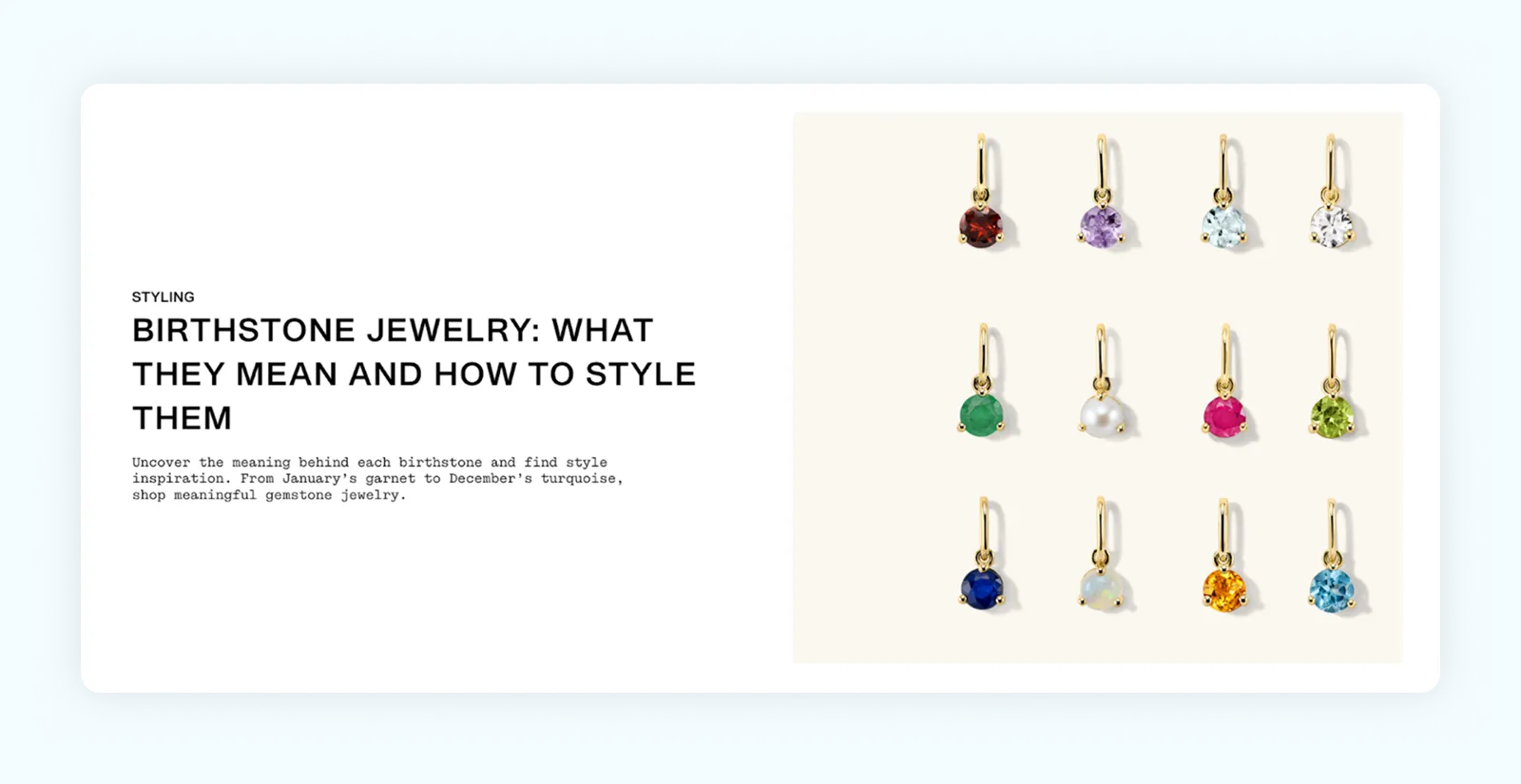
The jewelry company educates their customers by offering helpful how-to guides and in-depth blog posts on everything shoppers need to know to use quality jewelry items to elevate their style.
Sephora
The beauty giant’s online forum Beauty Insider is among the best of the best when it comes to building a sense of belonging around a brand. Customers regularly ask questions and share tips. This connection not only makes the brand seem more humane and personable but also encourages retention.
Cozy Earth
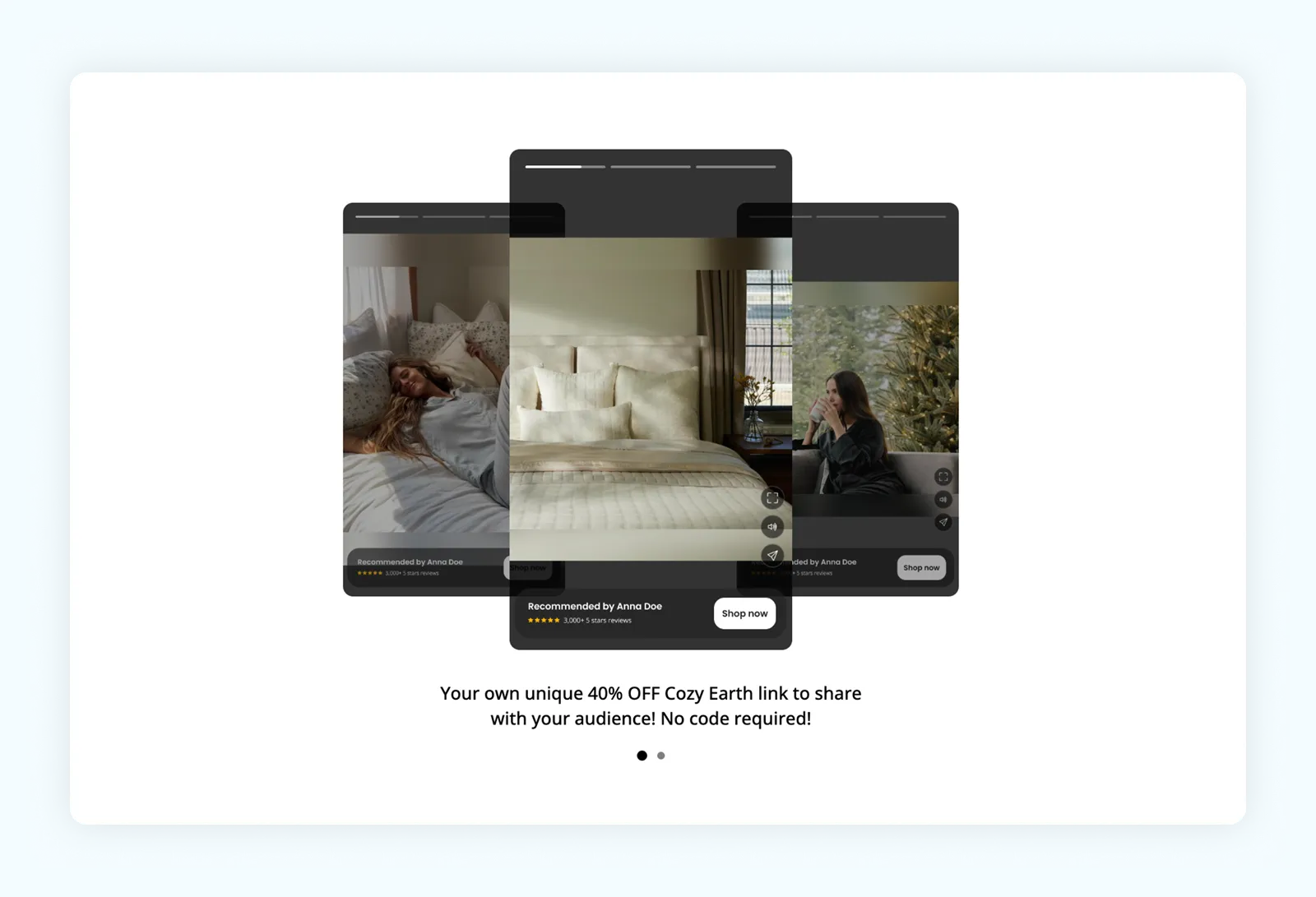
The Cozy Earth Ambassadors Program allows customers to gift their friends 40% off their first purchase and earn $50 from each sale they refer—a win-win that retains existing customers while acquiring new ones!
Joggy
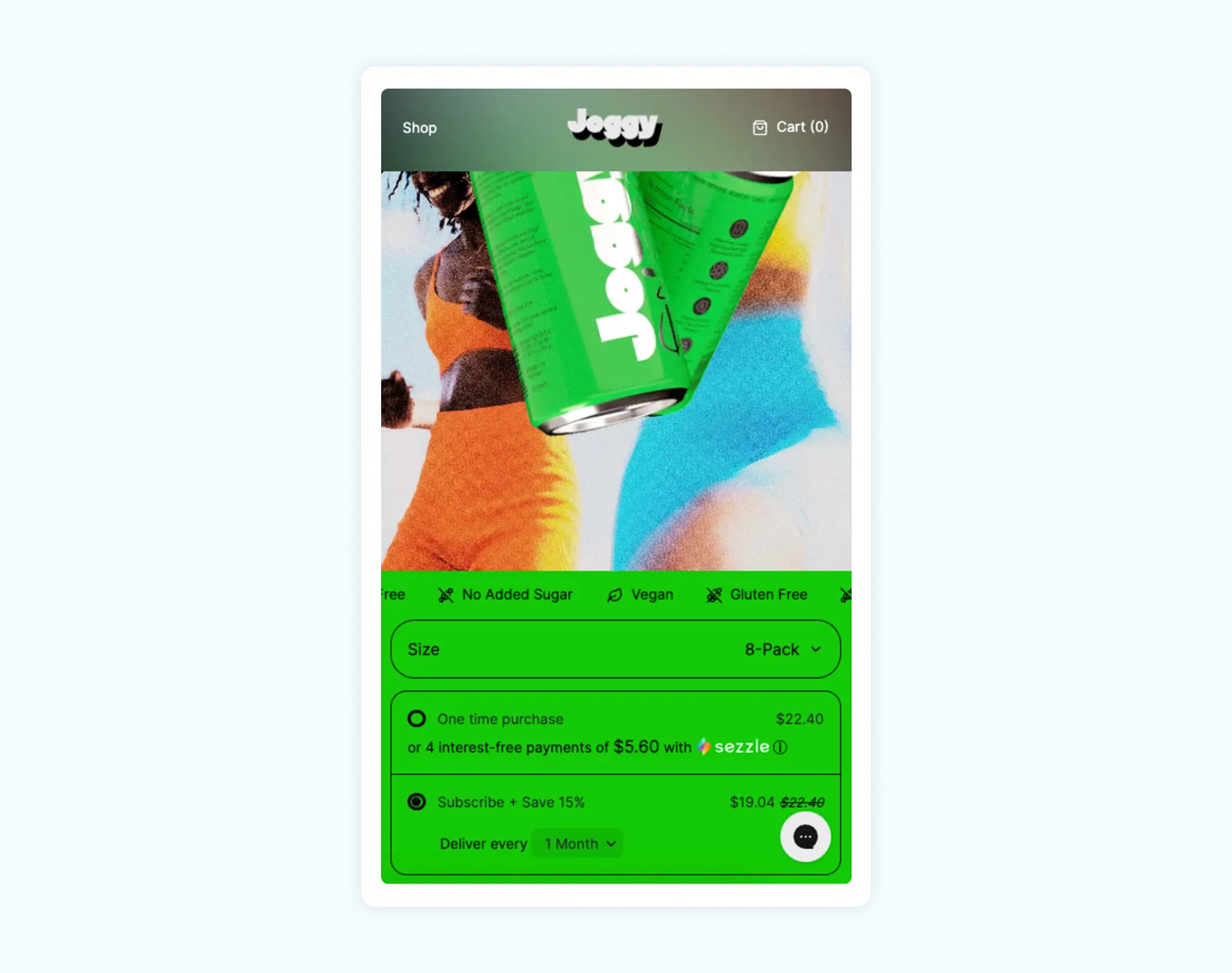
Plant-based energy drink brand Joggy offers an easy way to subscribe and save on orders, a great move for customer loyalty and retention.
Freez
Freez is an Australian-based online clothing store that offers informative and engaging blog posts on how to style its products. This type of customer education can improve conversion rate and retention.
Conclusion
To recap: What is customer retention? It’s the ability of your brand to repeatedly engage your customers over time. Effective customer retention strategies increase loyalty and keep customers coming back for repeat purchases. And that’s a good thing, because retaining the customers you already have is less expensive than acquiring new customers.
Customer retention takes time; it’s not a quick hack to success. Invest in a customer retention marketing plan that’s tailored to your business and customers and your bottom line will reflect those efforts.
Boosting retention involves welcoming customers, getting to know them, and offering solutions for their needs and pain points. Loyalty programs, subscription services, and community forums can all help encourage the sense of belonging that drives retention.
But you don’t have to do it alone. An all-in-one solution like Triple Whale can help. Our integrated analytics, attribution, and creative capabilities can help you oversee your customer journey from acquisition to retention. Book a demo today to see how Triple Whale can help you improve your customer retention!
Component Sales
5.32K
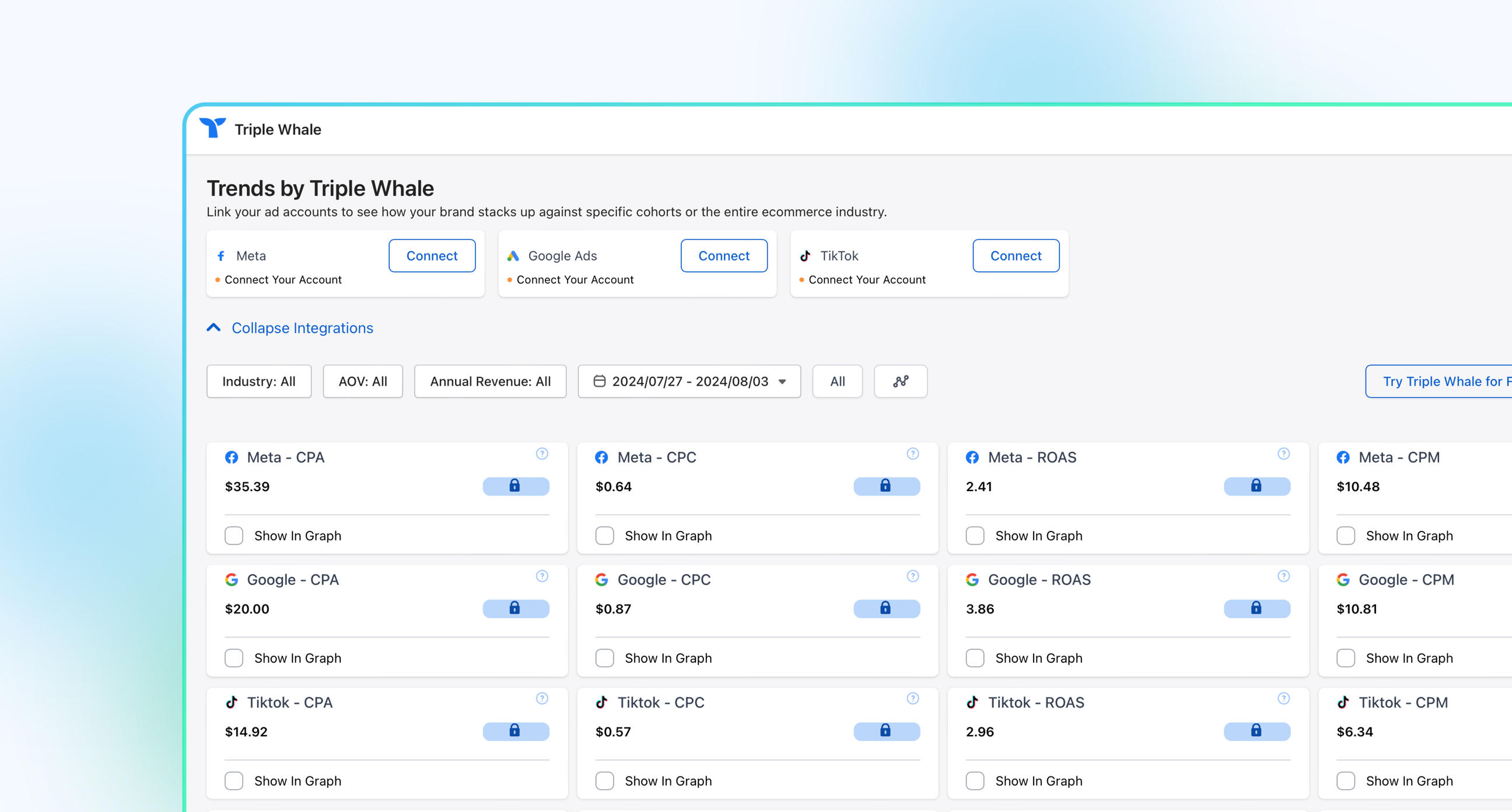
Benchmark your ecommerce brand against industry leaders
Customer retention is your business’s ability to keep your customers over time. Any process that reengages your existing customers to get them to make another purchase is considered customer retention.
When your customer retention rate is high, that means your audience is actively engaging with your brand instead of making one-time purchases or interacting with your company for a limited time.
The importance of customer retention comes down to long-term profitability. Attracting a new customer is generally more expensive than retaining an existing one. Think of all the money, time, and energy you’ve spent strategizing your marketing, social media, and branding efforts. You’ve invested a lot to win over your customers, and you want to keep as many of them around as possible!
Keep reading to uncover customer retention strategies that work and learn from examples of brands that follow customer retention best practices.
Why is customer retention important?
Investing in customer retention marketing strategies pays dividends in the long run. Even just a 5% improvement in your customer retention rate can translate to a 25% increase in profits, per Bain & Company research.
Your recurring customers are much easier to convert than the ones you are trying to acquire, and it costs less, too. Knowing the following benefits of customer retention is the first step to creating a successful retention program.
Less expensive than acquisition: Customer acquisition costs can be 5 to 25 times more expensive than customer retention, according to the Harvard Business Review. That means improving customer retention will boost your overall return on investment.
Higher average order value and lifetime value: Retention is simpler and cheaper than customer acquisition, and returning customers typically purchase more often and spend more money with each purchase. It’s easier to upsell and cross-sell to your existing customers, because shoppers who are already fans of your products are more likely to increase the size of their orders and buy from you again. Higher customer lifetime value (CLV) and higher average order value (AOV) are both typically tied to higher profit.
Better customer loyalty: Happy customers are quick to refer others to your business. Managing customer retention ups your chances that your customers will recommend your brand to others.
It’s important to note that customer retention shouldn’t be confused with customer satisfaction. Customer retention is about the long-term relationship between your customer and your brand. Customer satisfaction is about how positive a single customer experience was.
However, customer retention isn’t always easy. Some challenges of retaining your shoppers include:
Standing out from the crowd: Your customers likely receive marketing communications from any number of brands and businesses and may even follow or engage with your competitors. Grabbing their attention in an oversaturated field isn’t easy.
Retaining customers for the long haul: Your work isn’t done after one repeat purchase. If you really want customer retention to make a difference to your bottom line, customer engagement needs to be a long-term, continuous process.
Striking the right balance of engagement: Consumers may be turned off by hearing from you too often or on too many platforms. Consistently analyzing and tweaking your methods of customer retention can help you land in the sweet spot.
Providing superior customer service: More than half of shoppers will abandon your brand for a competitor after just a single negative experience with your customer service team, according to Zendesk data. But the resources and training required to get your customer service team where it needs to be can be extensive.
How to measure customer retention
To calculate your customer retention rate, you’ll assess how many customers are still buying from you over a given period of time. Then, you multiply that number by 100 to get a percentage. The higher this percentage is, the more you’re retaining your customers. In other words, an 80% retention rate means 80% of your customers are returning customers.
The formula for calculating customer retention rate is:
(Total number of customers at the end of a period of time - Number of new customers during that period) ÷ Number of customers at the beginning of the period) x 100
Or more simply:
((End - New) / Start) x 100
Once you have your customer retention rate, you should track it over time. Recording and examining customer retention analytics data will help you identify where improvements are needed and allow you to track the success of your customer retention strategies.
While any business would love to brag about 100% customer retention, a “good” CRR doesn’t have to be perfect. It also varies by industry. Here are some average CRRs by industry for context, according to Statista data:
Media companies: 84%
Professional services: 84%
Automotive and transportation: 83%
Insurance: 83%
IT services: 81%
Construction and engineering: 80%
Financial services: 78%
Telecom: 78%
Health care: 77%
Software: 77%
Banking: 75%
Consumer services: 67%
Manufacturing: 67%
Hospitality: 55%
Ecommerce: 30%
In addition to customer retention rate, other marketing metrics can provide helpful measures of how successful your strategies for customer retention are.
Customer churn rate
This percentage reveals how many customers have left your business. As with customer retention rate, you calculate churn over a determined time period. While no companies want customer churn, minimizing it is vital if you rely on customers' recurring payments.
To find your customer churn rate, use this formula:
Number of lost customers at the end of a period of time ÷ Number of total customers at the end of the period x 100
So, if you had 125 customers at the beginning of the year and 20 of them left by the end, you would divide 20 by 125 to get 0.16. Multiply that by 100, and your customer churn rate is 16%. While you want your customer retention rate to be high, you want your customer churn rate to be low.
Customer lifetime value
Customer lifetime value shows you how profitable a specific customer or segment is throughout their relationship with your brand. Calculating CLV can be complex because you can perform it at a business, customer service, or individual level.
When in doubt, however, this is the formula you want to use:
Customer value x Average customer lifespan
CLV shows up as a monetary value and reveals the amount you should expect the average customer to spend at your company throughout their lifetime. Knowing this number can provide a helpful frame of reference for making business decisions like how much to spend on customer experience improvements or how to revamp your customer acquisition strategy.
Repeat customer rate
More returning customers means shoppers were happy with their purchase and interaction with your brand. A low repeat customer rate, on the other hand, may mean there’s a problem with your store, product, or user experience.
Repeat customer rate tells you the percentage of shoppers who have made at least two purchases from your store. The formula is:
(Number of return customers ÷ Total number of customers) × 100
Purchase frequency rate
Another sign of good customer retention is frequent purchases. Your purchase frequency rate tells you how much repeat business you’re getting—a sign your customers are sticking with you.
To calculate it, use this formula:
Number of orders ÷ Number of unique customers
19 customer retention strategies
To increase customer retention, you need to have a strategic plan in place. There are many different customer retention marketing tactics that can help your business. Here are some of the best.
1. Optimize your onboarding experience
The first step to ensuring a customer returns is making their initial interaction with your brand memorable and enjoyable. A new customer should feel welcomed and valued, and the purchasing experience should be seamless and easy. How you onboard a customer sets the tone for the future of their relationship with you, and a positive experience will only open the door for future interactions. Mishandling of personal information or bad customer service can easily turn customers away.
Aim for a smooth customer onboarding experience and increase your customer retention rate by offering an educational, individualized, and personalized welcome. This can include email automation, help guides, product tutorials, and personalized content such as SMS and high-converting emails to get your customers excited about their purchases.
2. Collect and analyze first and zero-party data
Even before a first purchase, a customer provides you valuable information in the form of first-party data, such as product views, checkouts initiated, and who referred them to your site. Triple Whale tracks all of that information for you, so you can make the changes necessary to drive more conversions and improve customer retention.
As soon as a customer completes a purchase, you can foster the beginnings of a long relationship with a post-purchase survey to collect information about where the customer learned about your brand and their initial experience with your purchasing process. Providing a spot for customers to feel heard right out of the gate can help prevent negative experiences in the future and encourage repeat business.
All of the first- and zero-party data is ripe for analysis right in Triple Whale’s Pixel Page, and your business can use any one of seven attribution models to fully understand how customers experience and interact with your brand.
3. Offer a personalized experience
Who doesn't like feeling special? Create a personalized experience for your customers that resonates with their individual needs, allowing them to feel like your business cares about them, and you’ll increase the chances they make a purchase (and a repeat purchase!).
As a brand that sells exclusively online, it may initially seem difficult to create a community feel. With a lack of face-to-face interaction, you have to be creative with making customers feel welcome, valued, and seen.
The more information you have about your customers, the easier it will be to engage with them. As you learn more about their preferences, browsing experience, and engagement with your online channels, you can create personalized marketing efforts that resonate directly with your audience.
4. Segment strategically
One mistake businesses often make is marketing to everyone. When you do that, you end up reaching no one.
Instead, dive deep into customer data to learn more about who they are and what they buy. Then, employ customer segmentation to market to those customers who are more likely to make another purchase so you can improve retention.
With Triple Whale, you can use our RFM (recency, frequency, monetary value) segments, generated through our proprietary algorithm, to split customers into segments based on their purchase history.
These include:
Loyal: Customers who buy the most often from your store
Core: Highly engaged customers who have bought most recently, the most often, and have generated the most revenue
Newbies: First-time buyers on your site
Whales: Customers who have generated the most revenue for your store
Promising: Customers who return often, but do not spend a lot
Lost: Customers who have made one purchase but have not been known to return
In addition to these pre-built segments, you can generate your own using data collected throughout the customer journey in combination with zero-party data collected through customer surveys or engaging quizzes that can reveal valuable insights into customer preferences.
Once you nail down your key cohorts, you can move on to understanding who buys what and when. Triple Whale’s retention tools allow you to build dynamic audiences that automatically update based on customer activity, such as purchases or marketing interactions. This continuous tracking ensures your audience segments remain accurate and up to date in real-time.
Then, you can send personalized, targeted SMS, email, and other marketing communications based on the above or even more specific segments, such as:
Type of product purchased (for sending new product recommendations)
Specific SKU purchased (for product use how-tos)
Reason for purchase (collected via post-purchase survey, for sending holiday gifting vs. self-care style communication)
Birthday month (collected via post-purchase survey, for sending rewards or gifts)
Social engagers (for encouraging shoppers to follow your brand and/or influencer accounts)
VIPs (for sending exclusive offers)
5. Build trust
Trust is the foundation of any customer-business relationship. It's essential for your customers to feel comfortable and confident when shopping with you. Be reliable, honest, and consistent in your communications and branding. Remember not to promise shoppers something you can’t deliver. Promise only what you can uphold, and over-deliver when possible.
The downside is developing brand trust takes time. But it pays off: Invest that time in nurturing relationships with your customers, and 62% will be likely to remain loyal to your brand, according to Edelman data.
Start by being transparent about who you are and what your business does. For example, having a detailed About Us page that dives into your brand mission or vision, the founder's message, and even showcasing team members' pictures can give your customers a sense of familiarity and understanding.
6. Offer standout customer service
Most consumers believe businesses should deeply understand their expectations and needs. Quality and affordability used to be enough, but shoppers now have more choices than ever and will buy from another company if you don’t satisfy their needs.
Your customers expect service to be seamless across various channels. To meet these expectations, you have to learn what they want. Send out surveys and open your platforms to reviews so you can evaluate them and identify where you need to improve. Review how and why your customers are engaging with support, and ensure their experiences are nothing less than stellar.
Depending on what tools you use for customer support, this can either be simple or require some serious focus time. When analyzing your customer service experience, review at least the following:
Number of support tickets in relation to sales volume per month
Number of returns/exchanges per month
Number of requested refunds per month vs. actual
Average time to ticket resolution
Dollar value of upsell/cross-sell tickets per month
Customer service survey response rate
Customer service survey response data
If you can find patterns in the above data, you can unlock insights that improve the customer experience, and ultimately, customer retention.
For example, reviewing this data may reveal a particular product often arrives broken or damaged, identifying the need for an alternative packaging format for shipping. When more first-time purchasers receive an undamaged product, you’ll improve the retention of those customers.
7. Lean into loyalty
A membership or loyalty program can be key to retention. By offering a few extra perks or benefits to your customers who sign up for such a program, you’ll help them feel more committed to your brand. In a competitive space, they may be less likely to shop elsewhere and instead invest in the brand they’re already loyal to. Your goal is to make your customers want to be a part of growing your brand.
Loyalty programs can also unlock customer data, allowing you to tailor experiences and offers to your customers, which can also drive retention.
To build an effective loyalty or membership program, consider providing:
Fast and free shipping
Easy returns
A range of rewards, including free gifts, discounts, and exclusive access to products
A range of ways to earn rewards
Engagement on multiple channels to build community
If you aren’t sure what an effective loyalty, rewards, or referral program would look like for your customers, ask them! Pose a question in a post-purchase survey, ask your customers on social media, or even accept direct replies via an email campaign about what would make them sign up for such a program.
8. Foster community
Speaking of community: Unifying your customers around your products is an effective way to increase retention. A sense of belonging can build loyalty, especially when customers feel connected to the brand, its values, and their fellow shoppers.
You can create a community around your product or service by providing a platform that encourages customers to interact with each other. A social media group or forum makes for an easy place to start.
9. Request customer feedback
Your customers' opinions matter. Let them know that. Use customer feedback as a tool to better understand their pain points and preferences. Surveys, polls, product reviews, and newsletters can all help solicit feedback from shoppers regularly.
Ask questions about various stages of the customer journey, such as:
What stood out to you about our brand or products from the first day you encountered our company?
What makes our purchase experience easy or pleasant?
What makes our purchase experience difficult or unpleasant?
Is there anything unclear about our brand or products from our ads or site?
Use this feedback to improve customer retention and gain insights on how you can make your customer experience better.
10. Start a newsletter
A company newsletter is like a roadmap for customers to follow. It not only gives your audience an overview of the various products you offer, but it also provides insights into what's happening with your company and how to make the most of your offerings.
By regularly sending out informative newsletters, you can help keep customers informed on what's going on within your business while also creating a sense of community and loyalty.
11. Offer subscription services
Subscriptions help your customers know exactly what they’re getting and when. But subscriptions are also a boon for you: Your brand gets predictable and recurring revenue and a very obviously retained customer.
Offering a subscription plan helps you drive long-term relationships. A customer will only sign up for an ongoing delivery if they’re invested in the brand.
To be truly successful with the subscription model:
Consider price or shipping discounts, delivery frequencies, or volume discounts based on the needs of your customers.
Refresh the subscription content frequently to keep customers excited.
Offer exclusive content to enhance the feeling of being in a special club.
Ensure your subscription strategy involves unexpected rewards, personalized gestures, and delightful surprises.
12. Adopt a CRM
Customer relationship management (CRM) software can automate mundane tasks, track customer interactions, and identify trends in customer behavior to increase retention. By using a CRM, you can create an organized system for managing customer data in one place. This allows you to segment customer data into specific groups and increase targeted marketing campaigns.
You can also leverage a CRM to track customer satisfaction and feedback and create support tickets to ensure customer issues are resolved quickly and efficiently.
CRM software also automates repetitive tasks like emailing customers about special offers, sending thank-you messages, and informing them of new products. All these activities increase customer retention in the long run.
13. Educate your customers
Educating your customers can go a long way in improving retention because customers are more likely to remain loyal if they understand and appreciate the product they’re using.
Offer learning opportunities, such as webinars, tutorials, and product demonstrations, so you can help increase their understanding of your product or service.
If you're running an ecommerce camping store, for example, you could create a blog that shares tips and tricks on how to use the gear you sell. This helps increase customer retention by giving customers the information they need and confidence in your business to make a repeat purchase.
14. Utilize omnichannel messaging
A customer should transition smoothly between various marketing channels, such as your website and social media, and between various devices, like from their computer to their tablet or phone.
Take time to analyze how customers are engaging with your brand across multiple channels so you can adjust your strategies to enhance their experience. Doing so will boost customer satisfaction and retention.
Research your target market to map out the customer journey; this involves learning about their previous interactions, conversion history, and other factors to help you make intelligent decisions in the future. Identify which channels your customers prefer for connecting with your company and use these channels for delivering 24/7 customer support.
15. Upsell when appropriate
Upselling is a technique that companies use to encourage customers to upgrade their purchase. This boosts the overall value of that purchase, resulting in higher revenue for the business. Typically, this means convincing a customer to purchase a similar product that costs more because it offers better quality or additional features.
The key to successful upselling is to think about your customers’ goals. Your customers should feel like you’re trying to help them rather than simply make an extra buck. That’s why it tends to work best with repeat customers who already trust you.
Pro tip: If the higher-priced product costs significantly more, consider offering a free trial to give your customers the time to recognize the value in the higher-cost purchase.
16. Retarget valuable customers
Some of your customer churn rate may involve people who have left your business due to everyday situations unrelated to customer satisfaction. For example, a customer might visit your website and exit before purchasing because they got interrupted by a work responsibility, not because of anything lacking with your brand. Retargeting can bring them back to their abandoned cart.
Customer retargeting is a marketing tactic that companies use to reengage previous shoppers who haven’t returned for some time. When developing your retargeting strategy, make sure your advertising is eye-catching and includes a clear and concise call-to-action (CTA).
If you’re dealing with recent visitors, consider including special offers for items they’ve previously viewed. Putting a link into the CTA can provide your customers direct access to the product or service they’ve previously shown interest in.
17. Audit your customer journey
Clear messaging helps bring the "right" customers to your brand, i.e. those with the potential to become your most valuable, loyal shoppers. Clarity helps keep prior purchasers informed, engaged, and excited about upcoming opportunities with your brand.
It’s worth auditing your customer journey to make sure your messaging is clear, helpful, and enjoyable. This can be a bit of a tedious process, but it's worth the effort.
Dig deep into your customer journey analytics by reviewing every touchpoint a customer has with your brand. Look for statistically significant behavioral patterns among people who didn’t convert, those who did convert but have a low lifetime value, and those who did convert and have a high lifetime value.
From this process, you should be able to identify areas of optimization.
18. Conduct acquisition cohort analysis
If you can identify which marketing campaigns, objectives, or efforts result in your highest lifetime value customers, you might be able to replicate this model with other segments.
To do so, look at the customers you've acquired over a particular timeframe. Review their purchasing behavior, and map that back to the various marketing campaigns or initiatives you were running at the time. Look for statistically significant behavior patterns to identify which initiatives lead to the stickiest and happiest customers.
Triple Whale’s retention tools can help you visualize this data and compare customer behavior by monthly cohort. From your dashboard, you can then review metrics like repurchase rate and lifetime value by cohort.
19. Surprise and delight your customers
Customers who love your brand will keep coming back. It’s that simple. And “surprise and delight” is one well-known strategy to really win them over.
That said, surprise and delight can mean a variety of things—sending VIP customers direct “love”mail, offering them exclusive early access to new releases, allowing them to vote on new products in your pipeline, sending digital surprises like iPhone wallpapers, or even accepting submissions for things like product packaging. Your brand’s ability to delight your audience depends on knowing your customers well and planning surprises specifically tailored to their interests and preferences.
Examples of customer retention
Your business can learn a lot about the best customer retention strategies by checking out what other brands are doing.
Here at Triple Whale, we look to the following brands for some inspiring customer retention examples.
Mejuri
The jewelry company educates their customers by offering helpful how-to guides and in-depth blog posts on everything shoppers need to know to use quality jewelry items to elevate their style.
Sephora
The beauty giant’s online forum Beauty Insider is among the best of the best when it comes to building a sense of belonging around a brand. Customers regularly ask questions and share tips. This connection not only makes the brand seem more humane and personable but also encourages retention.
Cozy Earth
The Cozy Earth Ambassadors Program allows customers to gift their friends 40% off their first purchase and earn $50 from each sale they refer—a win-win that retains existing customers while acquiring new ones!
Joggy
Plant-based energy drink brand Joggy offers an easy way to subscribe and save on orders, a great move for customer loyalty and retention.
Freez
Freez is an Australian-based online clothing store that offers informative and engaging blog posts on how to style its products. This type of customer education can improve conversion rate and retention.
Conclusion
To recap: What is customer retention? It’s the ability of your brand to repeatedly engage your customers over time. Effective customer retention strategies increase loyalty and keep customers coming back for repeat purchases. And that’s a good thing, because retaining the customers you already have is less expensive than acquiring new customers.
Customer retention takes time; it’s not a quick hack to success. Invest in a customer retention marketing plan that’s tailored to your business and customers and your bottom line will reflect those efforts.
Boosting retention involves welcoming customers, getting to know them, and offering solutions for their needs and pain points. Loyalty programs, subscription services, and community forums can all help encourage the sense of belonging that drives retention.
But you don’t have to do it alone. An all-in-one solution like Triple Whale can help. Our integrated analytics, attribution, and creative capabilities can help you oversee your customer journey from acquisition to retention. Book a demo today to see how Triple Whale can help you improve your customer retention!
Body Copy: The following benchmarks compare advertising metrics from April 1-17 to the previous period. Considering President Trump first unveiled his tariffs on April 2, the timing corresponds with potential changes in advertising behavior among ecommerce brands (though it isn’t necessarily correlated).


 Moby AIAsk questions, analyze performance, and work with your business context.
 ActionsTake governed action across the tools that run your business.
 AutomationsSchedule recurring analysis and work that runs on your terms.
 Landing PagesCreative conversion-focused ecommerce pages with Moby.
 Creative StudioGenerate and refine creative grounded in your brand.






.webp)




.webp)

.webp)
